 Eileen Yu, Vice General Manager
Originally published on WeChat:
English edition published: English edition updated: 4 min readTechnology
An ice-pack shell is a molded container; cold-chain holding time is a result of the complete packed system. A reliable manufacturing plan therefore addresses two connected tasks: producing a durable, sealable shell and qualifying the filled pack in its intended insulated container and transport conditions.
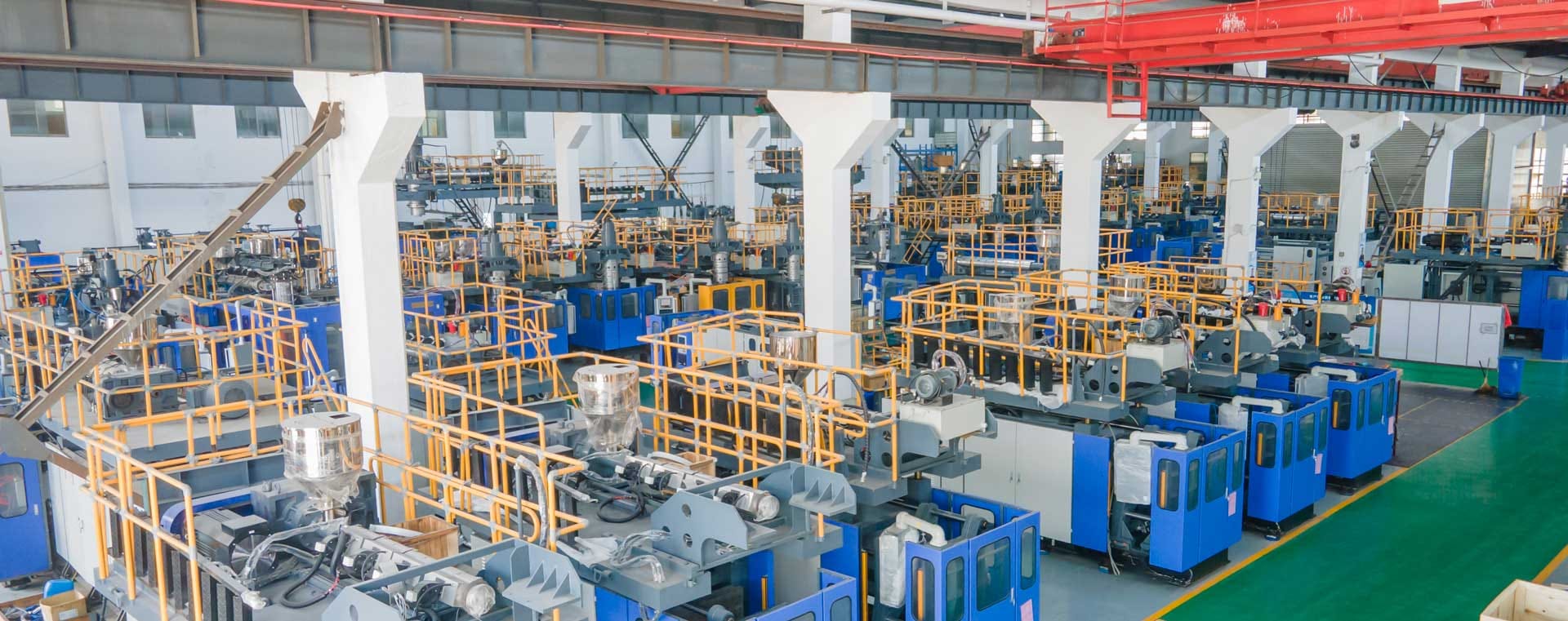
Extrusion blow molding can make reusable hollow shells for water or other phase-change fillings. This guide combines shell design, filling and sealing interfaces, production inspection and thermal-system questions so equipment buyers can specify the manufacturing job clearly.
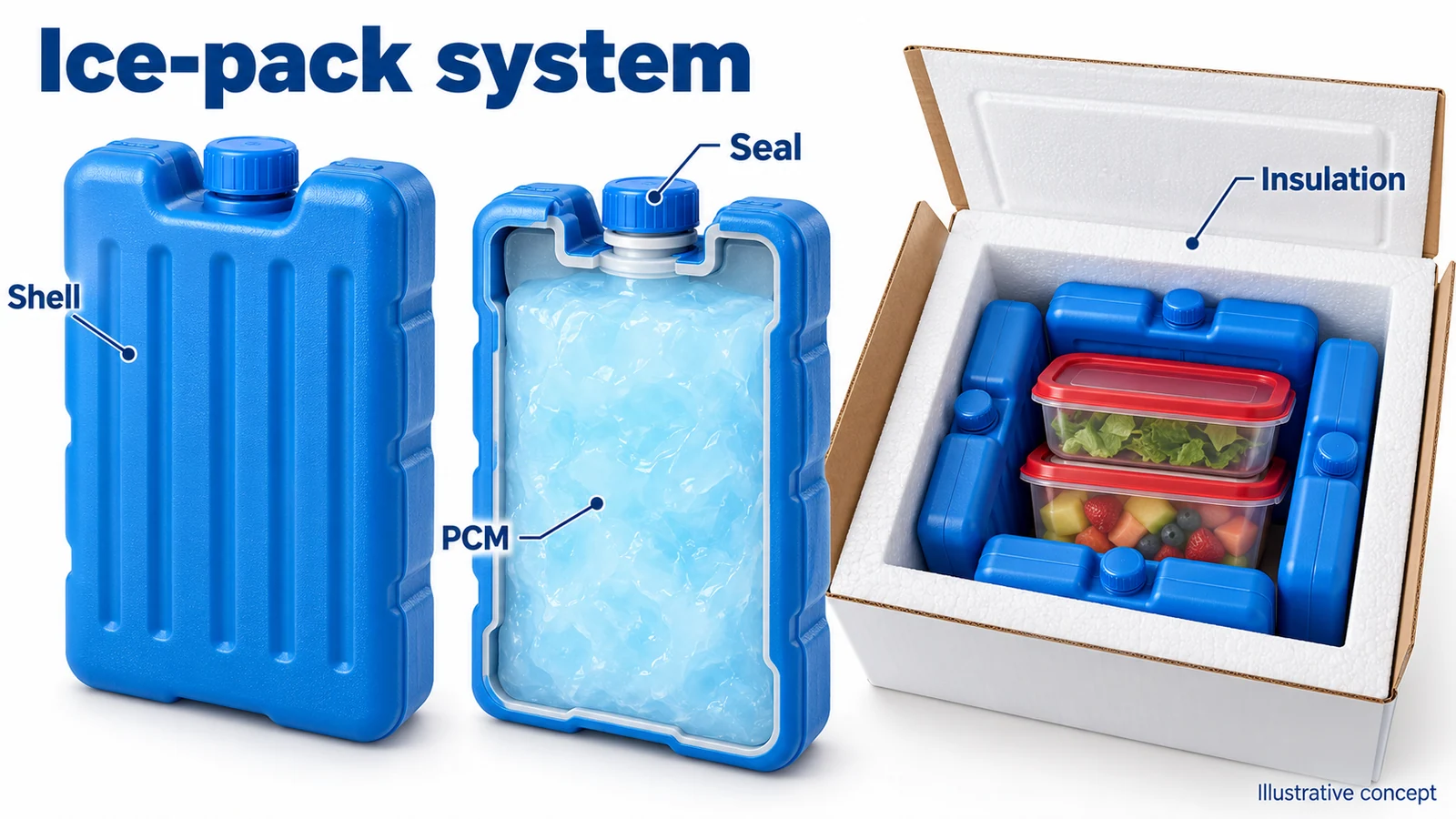
Separate the shell, the filling and the insulated system
A phase-change material, or PCM, absorbs or releases heat as it changes phase. Water is itself a PCM. The selected formulation determines the useful phase-change range, while its mass and starting condition affect the available thermal storage.
Holding time also depends on insulation, ambient conditions, payload, packing arrangement and the allowed temperature range. A molding machine cannot independently establish a pack’s cold life. A number of hours quoted without those conditions is not a transferable product specification.
WHO’s passive-container guidance illustrates why coolant packs and insulated containers are considered together under defined performance methods. That guidance does not imply that a shell produced on a particular machine is a prequalified medical transport product.
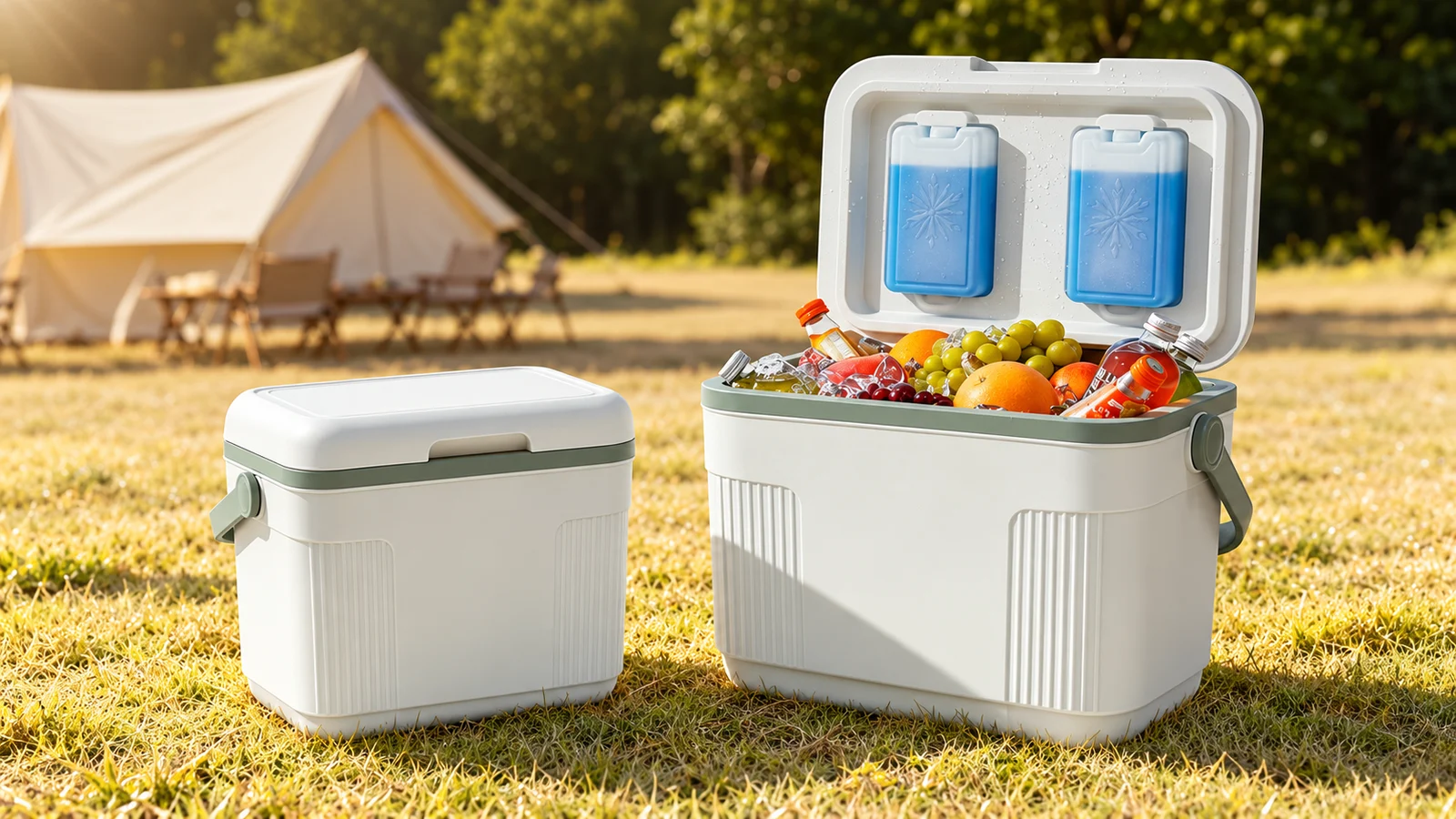
Design the shell around the intended filling
Specify external dimensions, usable fill volume, material grade, target mass, closure and the intended reuse duty. Allow for the actual filling’s volume changes during preparation and use. Do not treat brimful volume as the permitted fill volume without checking the complete design.
| Design area | What to establish |
|---|---|
| Corners and base | Adequate local walls after stretching |
| Neck or filling port | Repeatable sealing geometry and closure fit |
| Filling space | Usable volume and the required expansion allowance |
| Handling surfaces | Resistance to the intended drops and repeated use |
Material selection should address compatibility with the filling and the temperatures involved. Agree those conditions before attempting weight reduction. A shell that looks acceptable at room temperature may behave differently after filling, freezing and handling.
Control wall distribution with molded-part evidence
Tongda’s original ice-pack manufacturing material uses the HTSII-5L as a machine example. Confirm the proposed drive and tooling configuration; the HTS designation should not automatically be described as an all-electric HSE machine.
Consistent plasticizing and a programmed parison profile help place material where the product needs it. Verify the result with sections or another agreed wall-measurement method, especially at corners, transitions and the pinch-off. A controller setting is not a direct measurement of every finished wall.
Inspect mean net weight and its variation separately. Retain the approved resin, mold and recipe identifiers with the measurements. Changing any of these may require renewed checks, particularly where the new combination affects sealing or repeated low-temperature use.

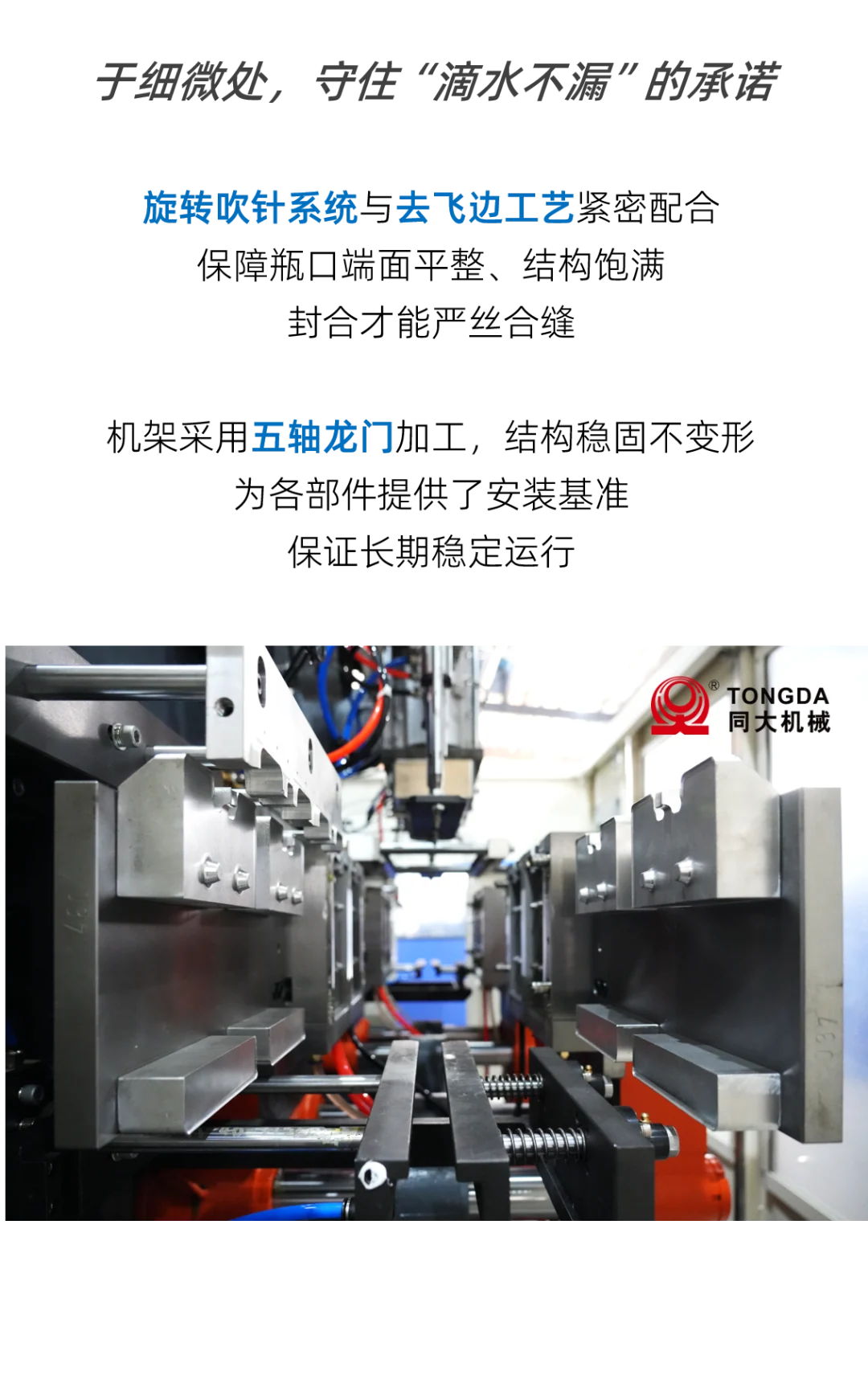
Connect neck forming, trimming, filling and sealing
The blow-pin arrangement and neck tooling must produce a repeatable filling and sealing interface. Deflashing must leave the relevant surface suitable for the selected closure or welding method. Inspect the actual sealing region rather than relying only on overall appearance.
Define where responsibilities pass from the molding line to filling, sealing and final inspection. Include part presentation, conveying, inspection access and reject handling in the line specification. A complete equipment list should identify which operations are supplied and which are performed elsewhere.
Agree shell tests and packed-system tests separately
For the shell, agree a representative production run and sampling plan. Record weight, local walls, dimensions and the sealing interface. Define the leak method, pressure or other test conditions, duration and acceptance rule with the relevant supplier.
For the filled pack, assess repeated freezing and thawing with the intended filling and fill level. Include the handling and drop conditions relevant to its actual use. Inspect closure retention and the parts most likely to be damaged in transport.
For thermal performance, test the intended pack arrangement, insulation, payload, starting conditions and ambient profile. Record the measurement locations and the acceptable temperature band. Requalify meaningful changes rather than carrying a previous holding-time claim into a different box or shipment.
Questions buyers ask
Does a better shell increase holding time by a fixed amount?
No fixed improvement follows from the molding machine alone. The shell must contain and protect the filling, while thermal performance depends on the filling and the full packed configuration.
Is a leak test enough for a reusable pack?
A defined leak test is useful, but it does not cover every repeated-use failure. Add the appropriate freeze-thaw, closure and handling checks for the specified filling and duty.
What should accompany an ice-pack equipment enquiry?
Send a shell drawing, sample, resin, filling, closure method and target accepted output. Review the HTS II-5L platform and mold design considerations, then request a shell-production review covering molding, sealing interfaces and inspection.
Source material: Tongda WeChat article 04 · Tongda WeChat article 05. Source photographs and video stills retain the original equipment details. English concept illustrations are identified in their captions.