 Eileen Yu, Vice General Manager
Extrusion blow molding can produce suitable hollow components for playground structures, ride-on bodies and other play products. Selecting the equipment requires a defined component drawing, resin, local-wall requirements, tooling plan and downstream assembly method. The finished product must then be evaluated for its intended users and conditions of use.
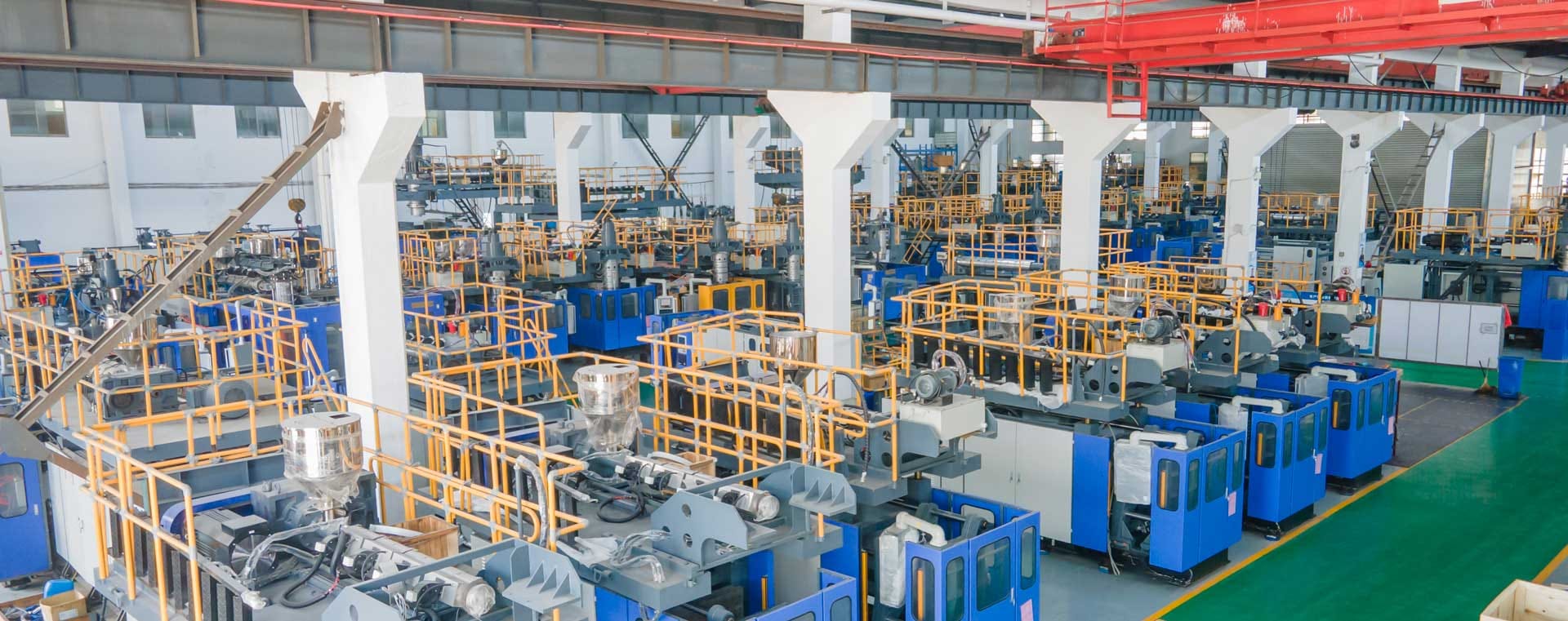
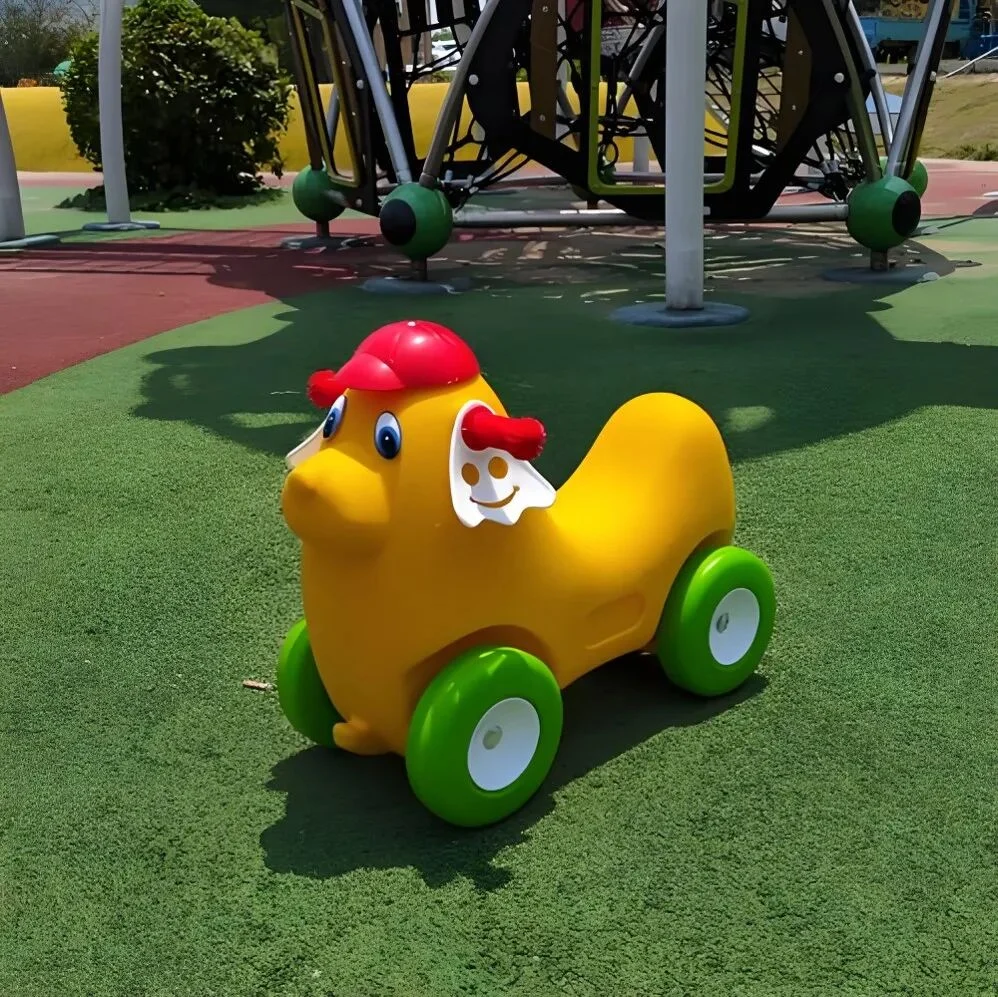
Tongda’s source article includes slides, rocking toys and ride-on products alongside extrusion and molding equipment. The product images below show the intended applications, while the equipment photographs explain manufacturing decisions. The source does not identify these scenes as specific customer installations.

Decide which component is being manufactured
Start with the part and assembly drawings. Identify molded features, openings, connection points, inserts and parts attached later. Define the surfaces that users contact and the areas that carry load or connect to the surrounding structure.
Different play-product categories use different materials and processes. A soft vinyl collectible is not the same manufacturing example as a hollow extrusion-blow-molded panel. Confirm the intended construction before using a product photograph to select a machine.
Choose material for the actual exposure
Specify the resin grade, color and additives with the responsible product manufacturer. Consider the required impact behavior, temperature range, cleaning and outdoor exposure where applicable. A general polymer name is not a complete formulation specification.
Use the proposed material in trials and retain traceable samples. If recovered material is considered, define the permitted source and recipe and evaluate the resulting component. Do not infer suitability from the fact that flash can be collected and granulated.
Map the demanding regions of the hollow part
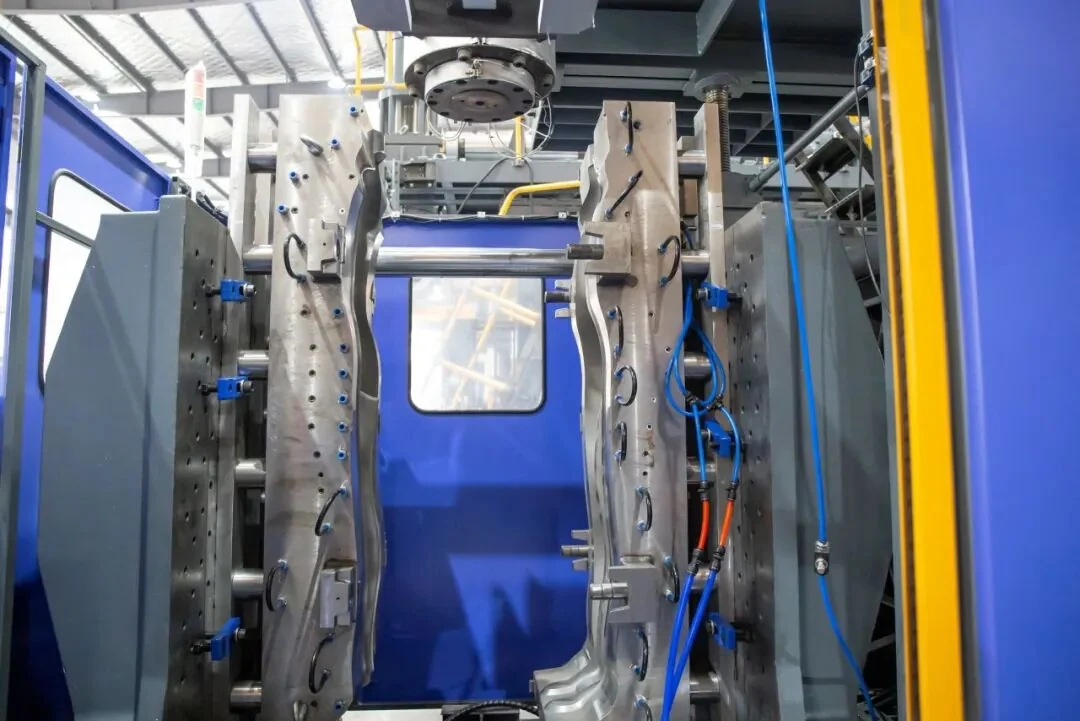
Parison programming, tool geometry, clamping and cooling influence how the finished material is distributed. Agree section measurements at bends, corners, mounting regions and pinch-offs. Check the trimmed component rather than only its weight when it leaves the mold.
| Manufacturing area | Review point |
|---|---|
| Mounting and connection regions | Dimensions, local walls and fit with the actual hardware |
| Broad surfaces and curves | Distribution, distortion and conditioned geometry |
| Seams and trimmed edges | Consistent finish and the agreed edge criteria |
| Openings and attachments | Drawing conformity and assembly requirements |
| Surface appearance | Approved color and texture samples |
| Production handling | Repeatable take-out, trimming and inspection |
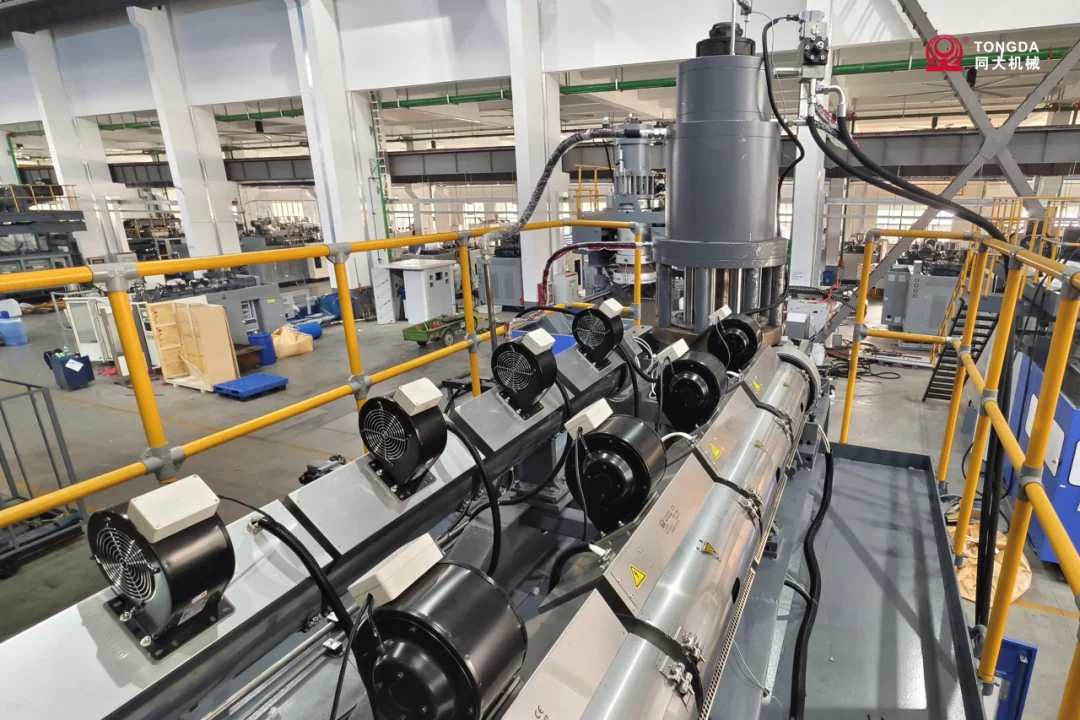
A controller brand or machine-positioning figure does not automatically establish these results. Keep the product acceptance method separate from the list of equipment components.
Plan the complete line and assembly route
Review mold access, tool mass, service connections and the path for removing large parts. Determine whether trimming, fixtures, cooling supports or manual handling will limit the accepted rate. Include changeovers if several products share the line.
Count accepted components at a defined point after the necessary manufacturing operations. A cycle quoted at mold opening may exclude work needed before a part can enter assembly. Record rejects and the reasons for them during a representative trial.
Evaluate the finished play product separately
The complete assembly requires assessment of its structure, stability, connections, openings and intended user interaction. The product manufacturer should define the applicable requirements and testing for the destination and use. Producing a dimensionally consistent hollow part does not by itself establish safety of the finished equipment.
Keep the drawing revisions, material records, production recipes and inspection results together. When an attachment, material or geometry changes, review the effect on both manufacturing and the completed product.
Questions buyers ask
Can one machine cover a whole range of play components?
It may cover a defined family, but each mold envelope, material demand, motion and handling requirement needs review. Identify the most demanding products when planning a trial.
Which information should I prepare for a quotation?
Send the drawings, materials, mass targets, expected demand, assembly details and acceptance criteria. Physical samples are useful for communicating finish and the intended construction.
Read the surface-texture guide and large-part accumulator-head guide, then request an application review.
Adapted from Tongda’s original WeChat article. Case figures are manufacturer-reported for the described application. Original photographs and English concept illustrations are identified in their captions.