Applications
Jerry Can Blow Molding Machine
Tongda jerry can blow moulding machines for 5–30 L HDPE and PP jerrycans. Compare the HSⅡ-5L, HSⅡ-12L, HSII-20L and HSⅡ-30L pages.
Jerry Can Blow Molding Machine
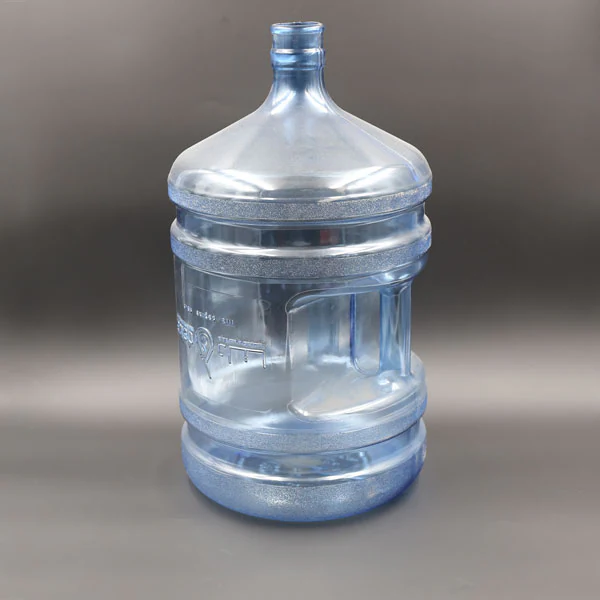
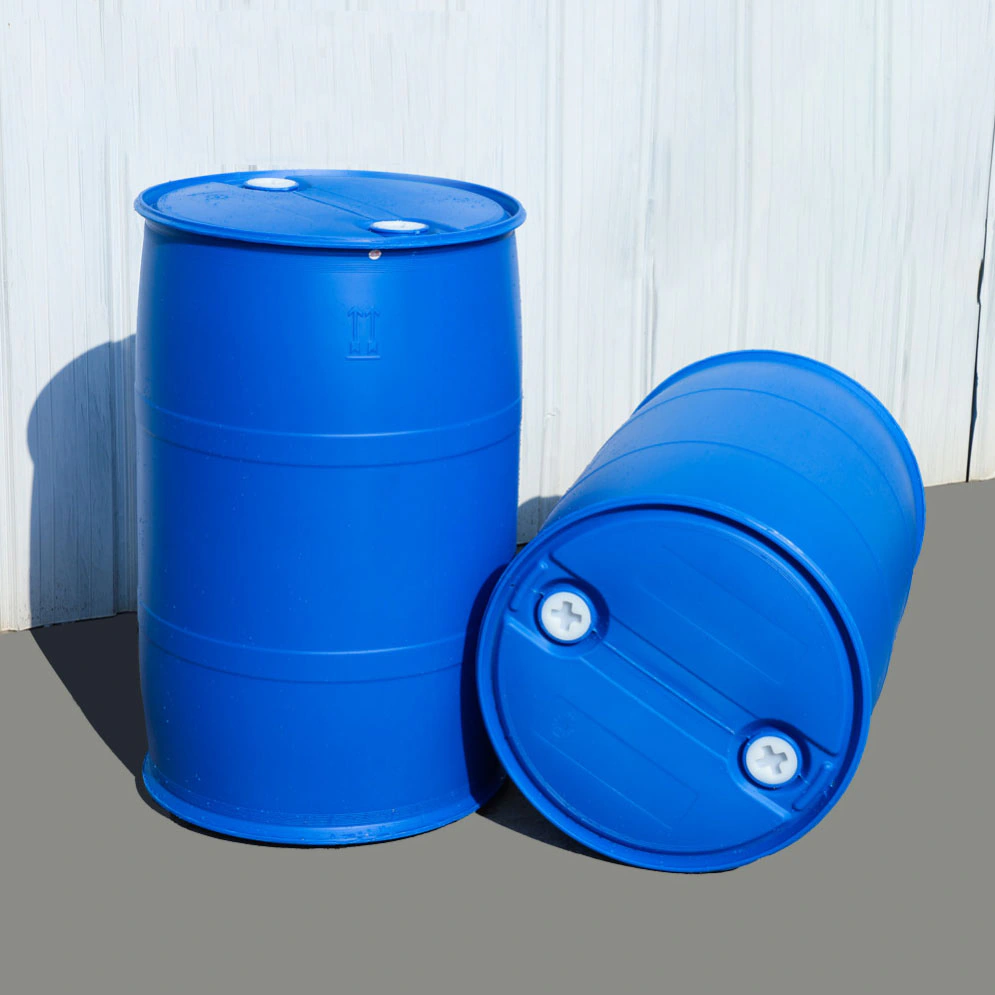
Jerrycan blow molding machines shape durable containers for storing liquids. These machines mold HDPE plastic into jerrycan shapes efficiently, ensuring leak-resistant, high-quality containers. Ideal for industries requiring reliable liquid storage solutions.
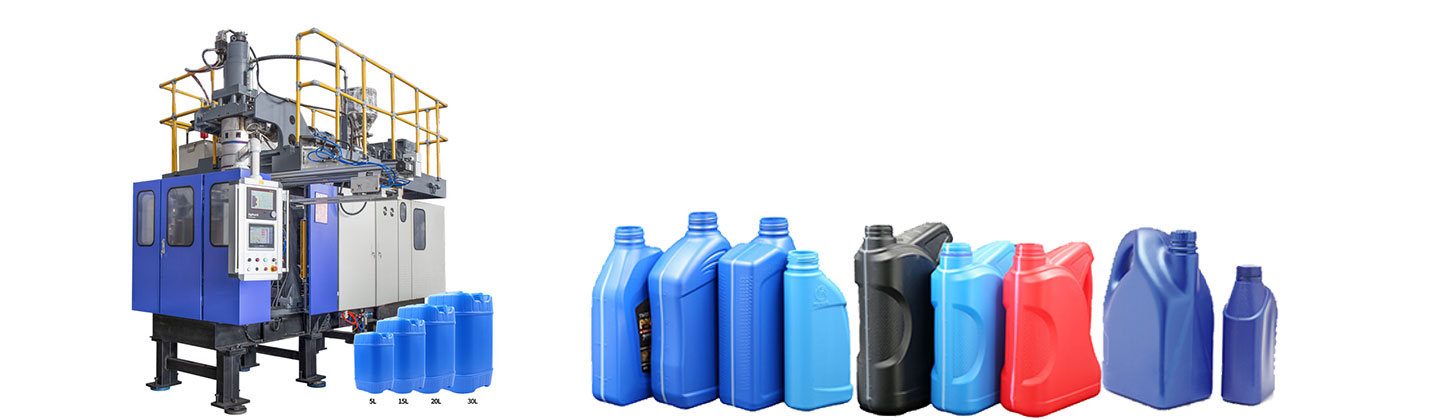
- Save time: Short color change time(1-2hours)
- High quality: Smooth surface、Uniform wall thickness
- Line options: Deflashing, conveying, leak testing and take-out can be quoted with the machine. Trim waste and regrind use are confirmed for the selected can.
- Personalization: View strip, multilayer and other options. Piece output is quoted for your container.
- Container size follows the selected model page and mold.
What is jerrycan?
A jerrycan or jerrycan (also styled jerrycan or jerry can) is a fuel container made from pressed steel (and more recently, high density polyethylene). Jerrycan is divided into plastic jerrycan and metal jerrycan.
Plastic Jerry Jars are ideal for situations where portability, lightweight, and less resistance to chemicals are required. Metal Jerry cans, on the other hand, are more suitable for situations where higher durability and sealing performance are required, especially in harsh environments or where long-term storage is required. Choosing which jerrycan material to use usually depends on the specific use and needs.
Which is better?Plastic jerrycan vs Metal Jerrycan
The following table shows the advantages and disadvantages of Plastic Jerrycan and Metal Jerrycan:
Plastic Jerrycan 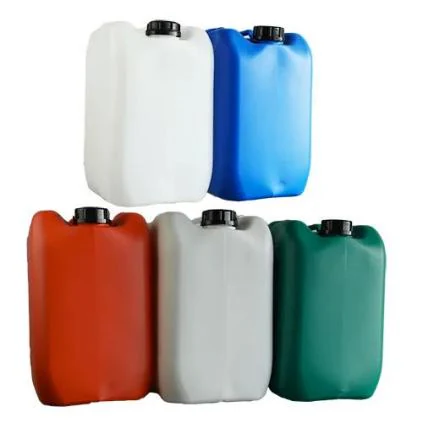 |
Advantages | Disadvantages |
|---|---|---|
| Portability: Plastic jerrycans are relatively lightweight and easy to carry and maneuver. | Fragility: Plastics are relatively fragile and prone to scratching or breakage, especially in harsh environments. | |
| Corrosion Resistance: Plastic will not rust or corrode and is suitable for many chemicals or liquid storage. | Leakage risk: Plastics may leak or evaporate under certain circumstances. | |
Transparency: Some plastic jerry jars are transparent, making it easy to see the level of stored items. 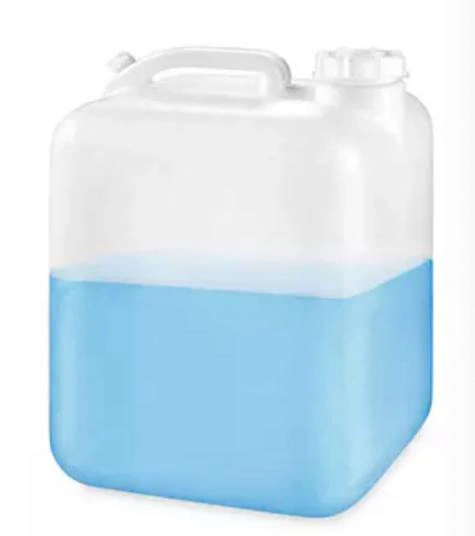 |
Poor temperature resistance: Not as resistant to high or extremely low temperatures as metals. | |
| Low Cost: Usually cheaper than metal materials. | ||
Metal Jerrycan 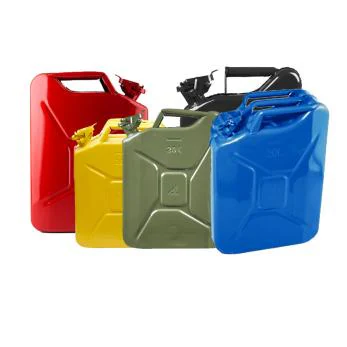 |
Durability: Metal jerrycans are more durable and able to withstand more physical damage and harsh conditions. | Heavier weight: Metal jerrycans are generally heavier than plastic and harder to carry and maneuver. |
Sealing: Metal cans usually have better sealing properties, reducing the risk of liquid leakage.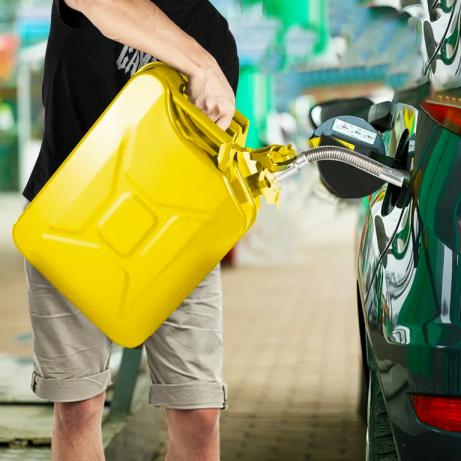 |
Corrosivity: May be subject to oxidation and corrosion, especially if the surface is damaged.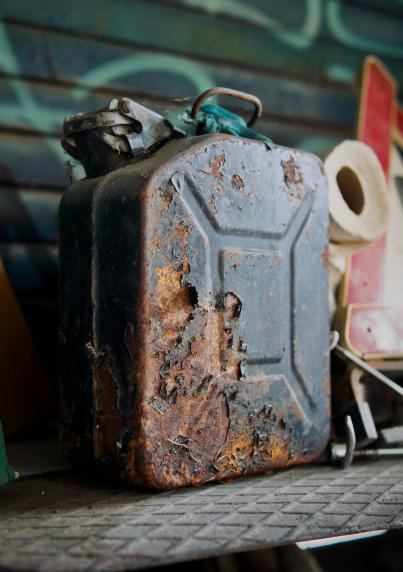 |
|
| High temperature resistance: Good resistance to high temperature and fire, not easy to burn. | Higher cost: Metal materials are generally more expensive than plastic. | |
| Environmentally friendly: Can be recycled and reused, environmentally friendly. |
Production process
The production process of plastic Jerry cans usually includes the following steps:
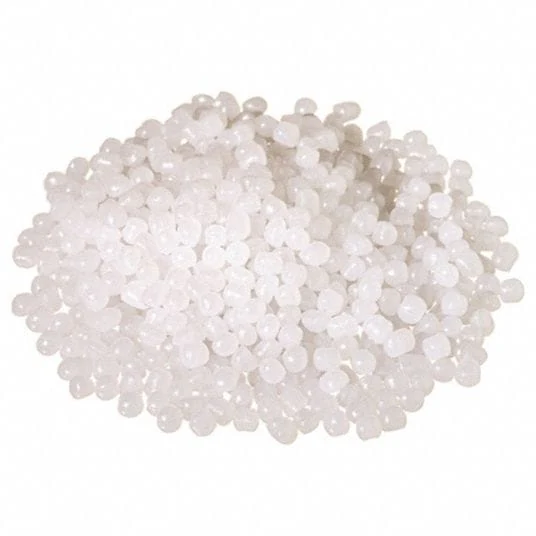
- Raw material preparationSelect HDPE, PP or other blow molding grade resin and prepare it to the product specification.
- Mold makingBuild the blow mold so the finished jerry can gets the required shape, neck and size.
- ExtrusionPlastic pellets are heated and melted, and the extruder forms the melt into a hollow tube, the parison.
- Blow moldingThe mold closes on the parison and compressed air blows it against the mold walls to form the jerry can.
- Cooling and trimmingThe jerry can cools to hold its shape, then flash at the neck, handle and base is trimmed off.
- Quality inspectionDimensions, wall thickness, leak tightness and appearance are checked against the standard.
- Printing and packagingLogos and labels are printed or applied as required, then the products are packed for shipment.
The above steps are the general process flow for the production of plastic Jerry cans. The specific production process may vary slightly depending on the production factory and product requirements.
How to design the plastic jerrycan mold?
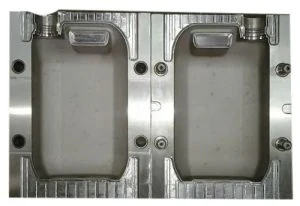
Designing a Jerrycan mold requires a series of engineering steps:
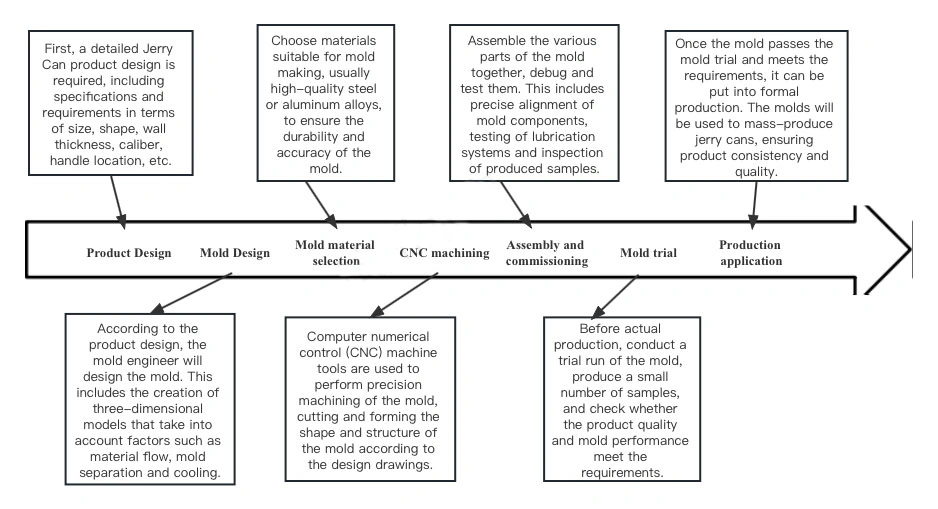
The entire mold design and manufacturing process requires a high degree of engineering and precision to ensure the production of high-quality Jerry Can products. With the advancement of technology, modern engineering software and CAD/CAM technology have greatly improved the accuracy and efficiency of mold design and manufacturing.
What are the main raw material components of plastic jerrycan?
Plastic Jerry Jars are typically made from one or more types of plastic materials, the main components of which may include the following materials:
- Polyethylene (HDPE): High-density polyethylene is one of the primary materials commonly used to make plastic jerrycans. It has excellent chemical and impact resistance, making it ideal for durable liquid storage containers.
- Polypropylene (PP): Polypropylene is another common plastic material that is also used to make plastic jerrycans. It is corrosion-resistant, heat-resistant and lightweight.
- Other additives: In order to improve the characteristics of Jerry cans, other chemicals may be added during the production process, such as plasticizers, stabilizers, pigments or UV protection agents.
After suitable processing and molding processes, these raw materials can be made into plastic jerrycans that meet specific requirements and are used to store various liquids, such as chemicals, fuels, lubricants, etc. The choice of material depends on the specific use of the jerrycan and the required performance characteristics.
What capacities are there and which ones are more common?
Plastic Jerrycans are generally available in a variety of capacities, common capacities include:
- 5 liters (1.32 gallons): Typically used for lightweight, portable applications such as outdoor activities, storing detergents, etc.
- 10 liters (2.64 gallons): A relatively common medium capacity, suitable for emergency reserves in general households or vehicles.
- 20 liters (5.28 gallons): Is a larger capacity and is used in a wider range of applications, such as cars, boats, industrial applications, etc.
- 25 liters (6.6 gallons): It is also a common larger capacity, suitable for long-distance travel, outdoor activities or some specific industrial purposes.
- 30 liters (7.92 gallons) and above: Larger capacity jerry cans are typically used in industrial, military or special applications and are capable of holding more liquids or chemicals.
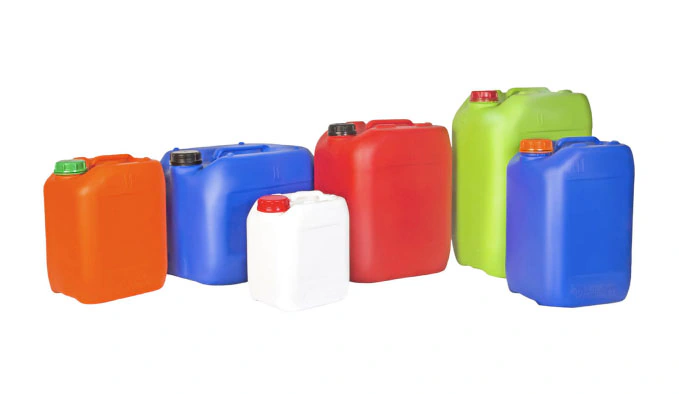
Among these capacities, 5-liter, 10-liter and 20-liter jerrycans are the more general specifications and are widely used in homes, vehicles, outdoor and general industrial applications. Choosing a jerrycan with an appropriate capacity depends on actual needs, such as usage scenarios, types of liquids stored, and portability.
How to choose plastic jerry can blow molding machine?
There are several factors to consider when choosing a blow molding machine for plastic jerry cans:
- Container size: Common jerry cans on this page are 5–30 L in HDPE or PP. Compare the published rows in specifications from the model pages, then ask for piece output from the can weight, the cavities and the cooling. See real output versus the model name.
- Material adaptability: Make sure the blow molding machine can handle the plastic raw material you are using, such as polyethylene (HDPE) or polypropylene (PP), etc.
- Molding size and shape: The size and shape of the jerry can will affect the choice of blow molding machine. Make sure your blow molding machine can produce jerry cans that meet your specifications.
- Line options: Deflashing, conveying, leak testing and take-out can be added to the line. Which of them is included is confirmed for the selected model. See line options.
- Quality and stability: Choose a blow molding machine brand and model that has a good reputation, reliable quality and high stability.
- After-sales service and support: Choose a supplier with reliable after-sales service and support to ensure that the equipment is maintained and maintained.
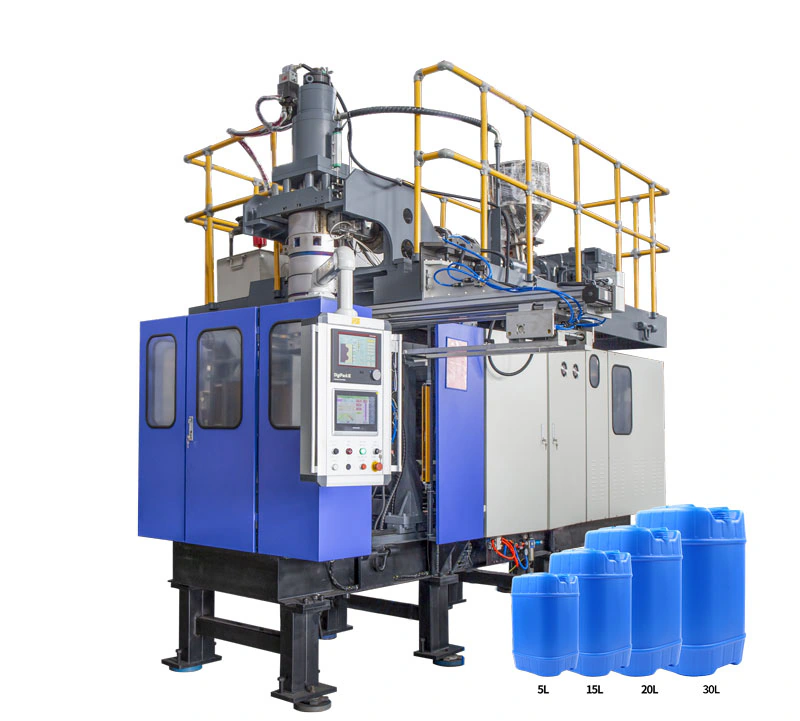
When choosing a blow molding machine, it is best to conduct a comprehensive comparison and evaluation, and select the most suitable blow molding machine model and brand based on your production needs, budget, and equipment performance. It is best to consult a professional equipment supplier or production equipment expert for more detailed advice and technical support.
How to calculate the investment return period of plastic jerrycan production?
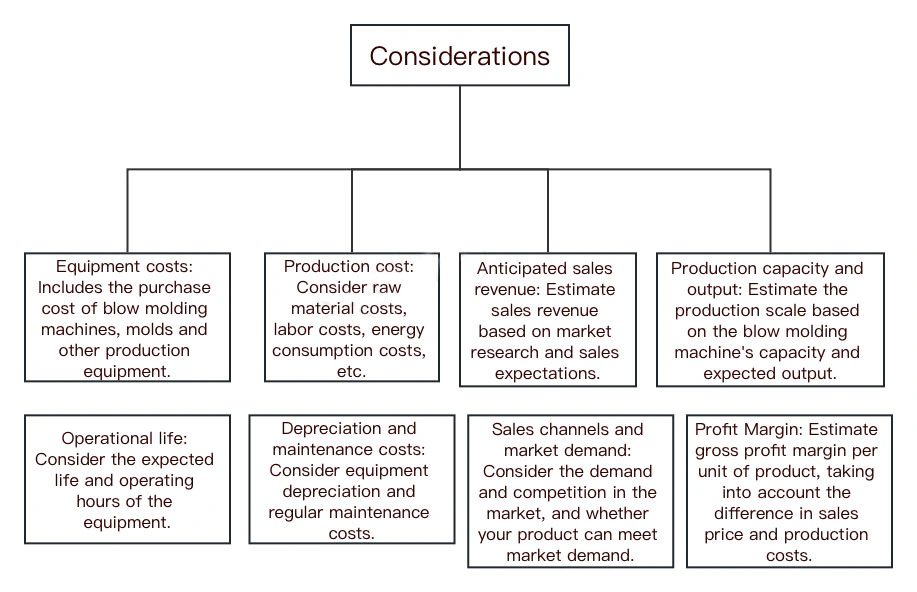
The return on investment period (ROI) can be calculated by the following formula
Return on Investment (ROI)=total investment cost annual net profit
Return on Investment (ROI) =annual net profit total investment cost
When considering the investment return cycle, it is necessary to comprehensively consider all the above aspects and conduct detailed financial analysis and forecasts. This helps understand the time frame for return on investment and aids decision making and financial planning. It’s best to conduct a detailed return on investment analysis with a financial professional or industry expert.
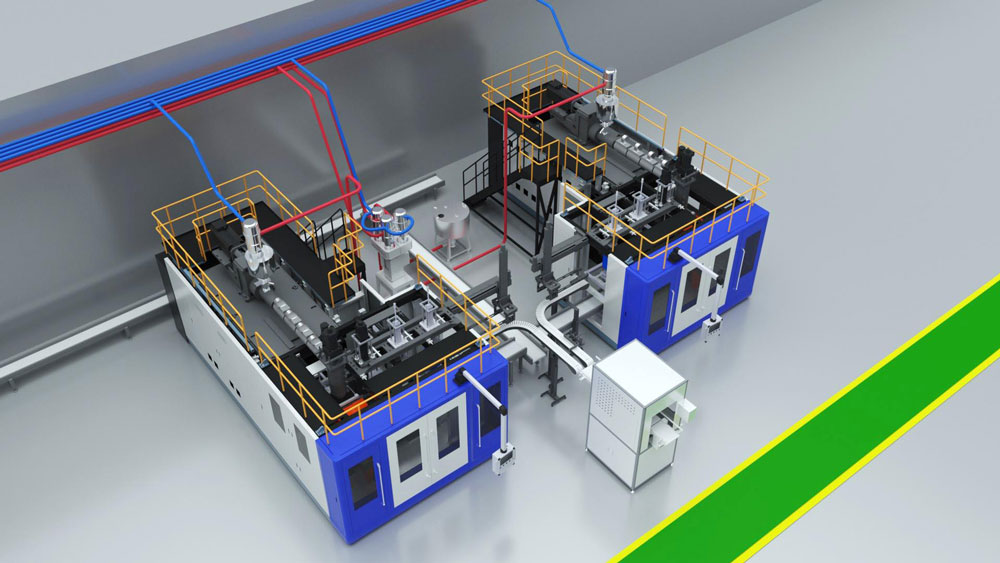
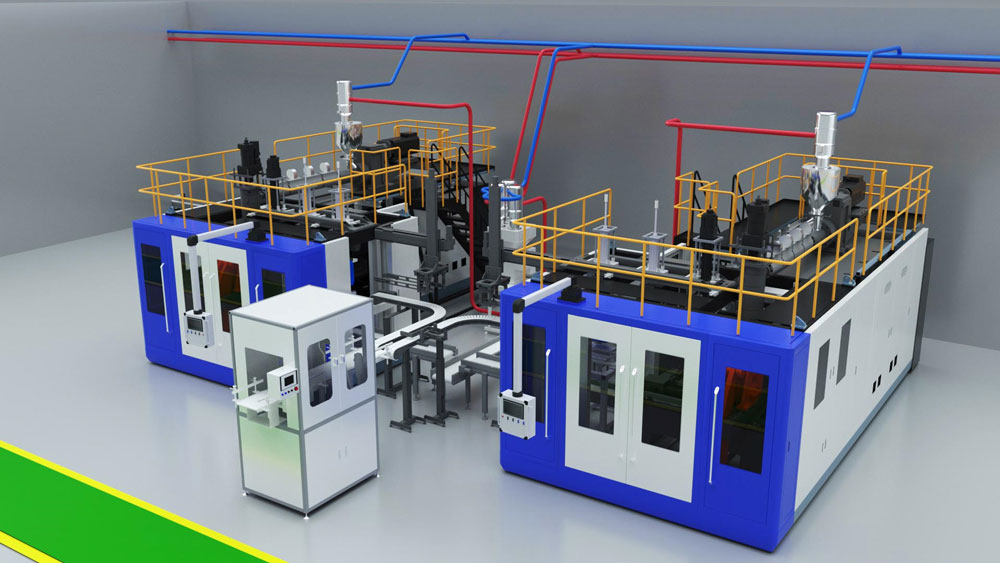
Deflashing, leak testing and other line options
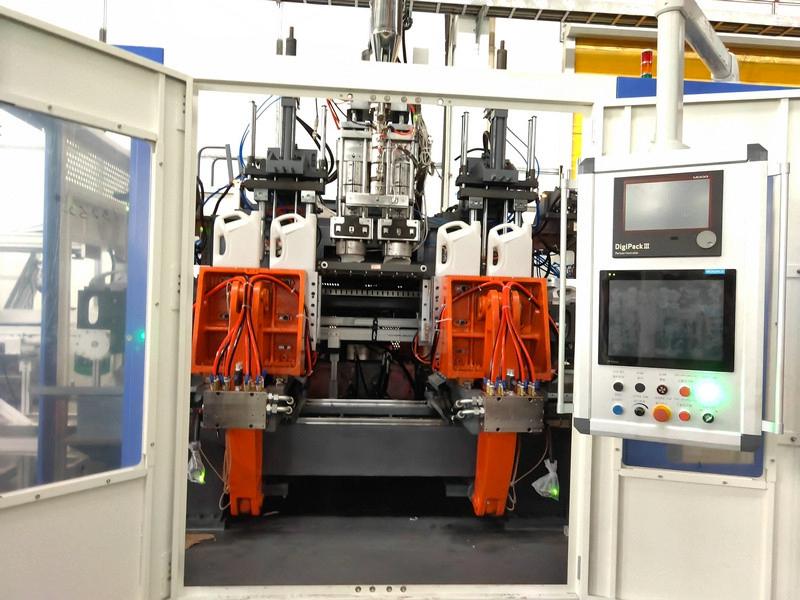
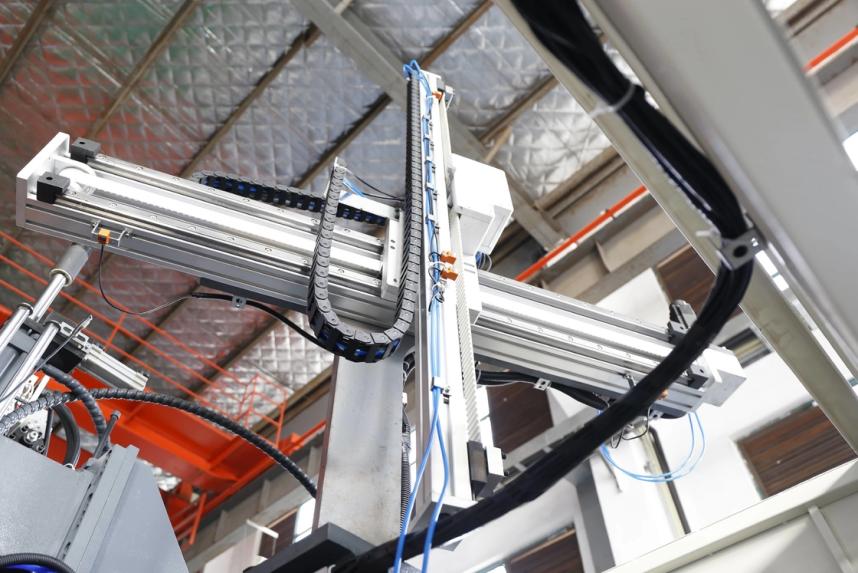
A jerry can line can add the options already described for Tongda extrusion lines: deflashing, conveying, leak testing, labeling and a take-out manipulator. The video on this page names automatic deflashing as a configuration, and the clips further down show leak testing. Which of these is included on a model is confirmed with the quotation. Send the can drawing through the contact page.
- Deflashing: flash at the neck, handle and base is trimmed. Automatic deflashing is named as a configuration on this page.
- Conveying and take-out: manipulators take finished parts out of the mould, and conveying can be integrated with the plant layout.
- Leak testing: leak tightness is checked on the can, and a leak tester can be sized with the machine when the quotation includes it.
- Labeling: labeling can be integrated with the line, as on the 12 L blowing-and-labeling clip on this page.
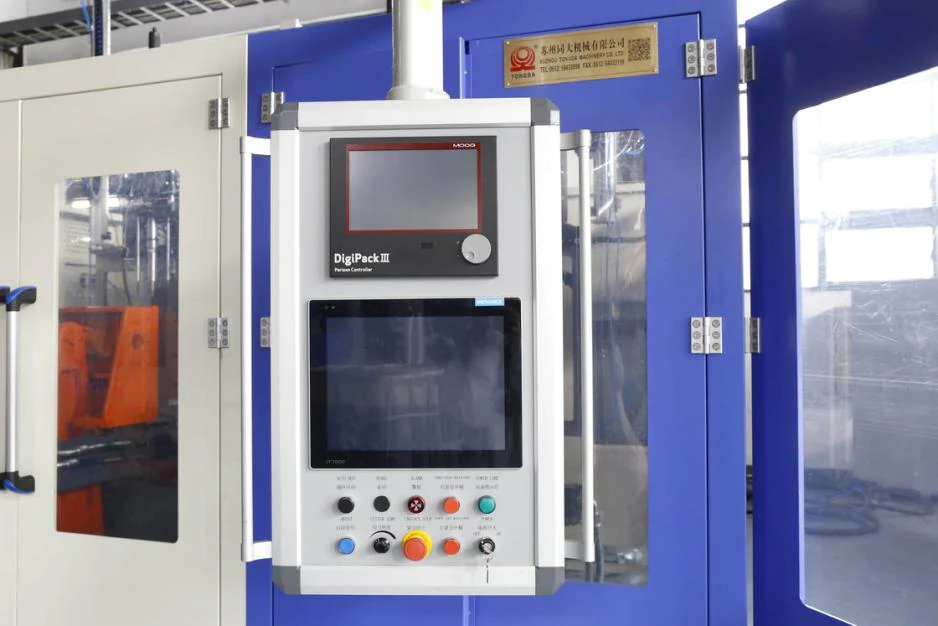
How to buy plastic jerrycan blow molding machine?
Here are a few steps to consider when purchasing a plastic jerry can blow molding machine:
- Determine needs: First determine your production needs, including required production capacity, size and shape of jerry cans and other specifications.
- Market research: Conduct market research to understand the product performance, brand reputation, after-sales service and other information of various blow molding machine manufacturers.
- Contact suppliers: Contact multiple blow molding machine suppliers or manufacturers and ask them for detailed information about blow molding machine models, prices, technical parameters, after-sales services, etc.
- Visit exhibitions or factories: You can attend industry exhibitions or go directly to the blow molding machine manufacturer’s factory for on-site inspections to gain a more intuitive understanding of the performance and quality of the equipment.
- Choose the right equipment: Choose a blow molding machine that meets your requirements based on your production needs, budget, and equipment performance parameters.
- Negotiation and purchase: Negotiate prices and contract terms with various suppliers to finalize the purchase of the blow molding machine.
- After-sales service: After purchase, ensure that the equipment has complete after-sales service and technical support, including installation, training, maintenance and warranty support.
- Delivery and installation: Determine delivery and installation details to ensure equipment arrives on time and is installed and debugged correctly.
Purchasing a blow molding machine is a relatively complicated process that requires adequate preparation and understanding of market conditions. It is best to compare and communicate with multiple suppliers to choose suitable equipment and manufacturers to ensure that the equipment purchased can meet your production needs and have good performance and reliable after-sales service.
What are the after-sales services of plastic jerrycan blow molding machine?
- Installation and debugging services: Provide professional installation and debugging services to ensure that the equipment is installed correctly and put into production smoothly.
- Operation training: Provide training for operators to teach the correct operation methods and maintenance knowledge of the equipment to ensure the safe operation of the equipment.
- Regular maintenance: Provide regular maintenance services to check the operating status of the equipment and ensure that the equipment is in optimal working condition.
- Spare parts supply: Provide original or compatible spare parts supply services to ensure equipment maintenance needs.
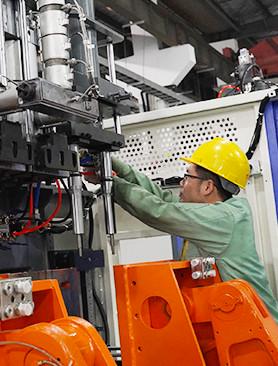
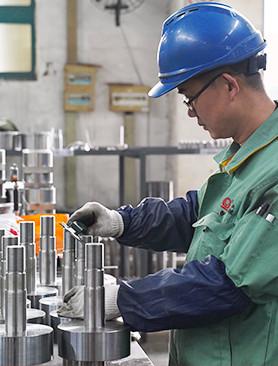
Remote technical support: Provide remote technical support services to help solve problems in equipment operation and maintenance.
On-site service: Provide on-site repair services when needed to quickly resolve equipment malfunctions or issues.
Upgrade and modification services: Provide equipment upgrade and modification services according to customer needs to update equipment technology and performance.
Warranty period: Provide a certain period of warranty service to cover equipment failures or problems.
What are the well-known manufacturers of plastic jerrycan?
- Mauser Group: Mauser is a global provider of industrial packaging solutions, offering a wide range of plastic and metal jerry cans widely used in chemical, food and pharmaceutical industries.
- Scepter: Scepter is a company specializing in the production of plastic containers and industrial packaging. They offer plastic jerry cans in a variety of sizes and shapes that are used in the military, industrial and consumer goods industries.
- Grief: Grief is another company that manufactures plastic packaging products. They offer a variety of plastic containers for different uses, including plastic jerry cans, which are mainly used in the chemical and food industries.
- Eagle Manufacturing Company: Eagle Manufacturing specializes in industrial safety and packaging products. They provide plastic jerry cans of various specifications and capacities, which are used in chemical industry, liquid storage and other fields.
These companies are well-known manufacturers in the field of plastic jerry can production, providing plastic jerry can products in various specifications and uses. Choosing the right manufacturer requires evaluation and selection based on your specific needs and product requirements.
Recommended by well-known jerrycan blow molding machine manufacturers
Suzhou Tongda Machinery Co., Ltd. builds extrusion blow molding machines for HDPE and PP jerry cans. The published 5–30 L pages are HSⅡ-5L, HSⅡ-12L, HSII-20L and HSⅡ-30L. Compare those model pages, then send the can drawing through the contact page.
TONGDA Clients
Successfully supplied Jerrycan blow molding machine lines to many countries around the world
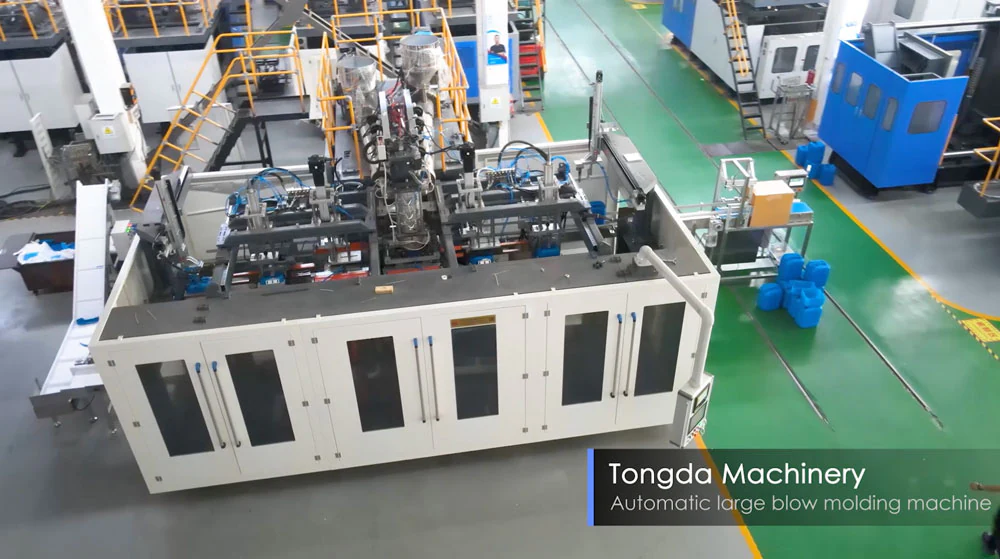
- Client Location Mexico
- Model HSII-30L
- Output 120pcs/hr
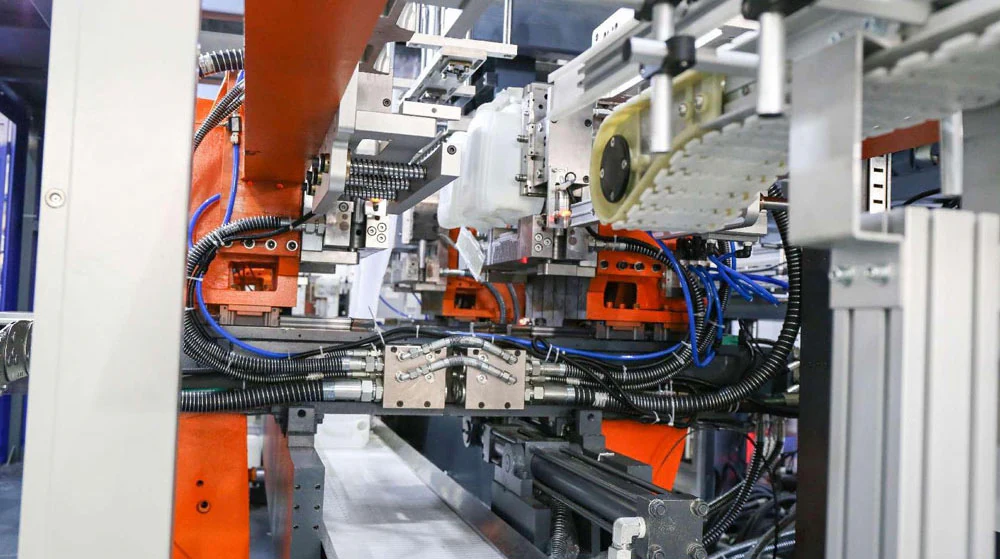
- Client Location Ukraine
- Model HSII-20L-2
- Output 400pcs/hr
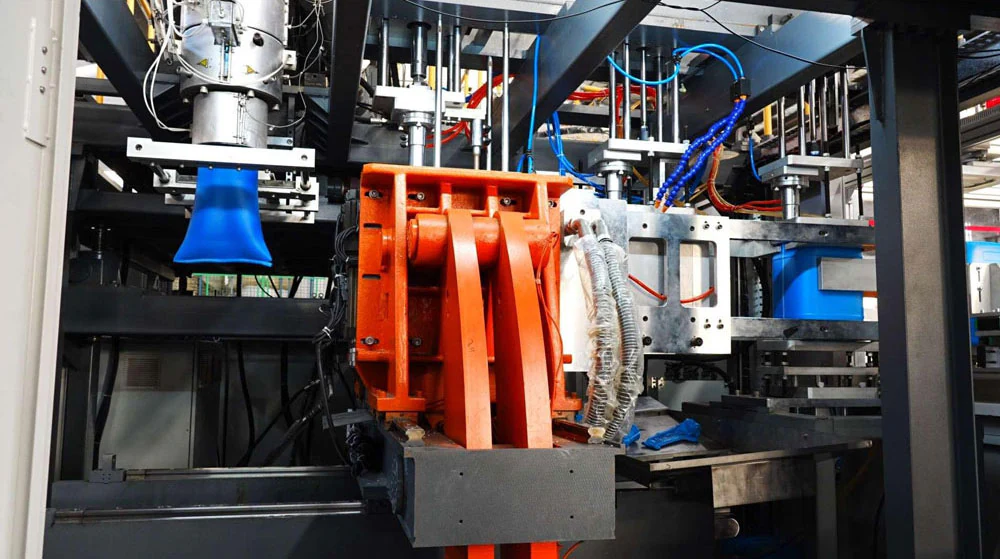
- Client Location The Philippines
- Model HS-30L/1
- Output 60pcs/hr
Trusted By

Why Choose Us To Start Plastic Stackable Jerrycan Project
These clips cover the jerry-can drop, leak and stack tests, plus the 12 L blowing-and-labeling film. The page header plays the 5 L jerry can machine.
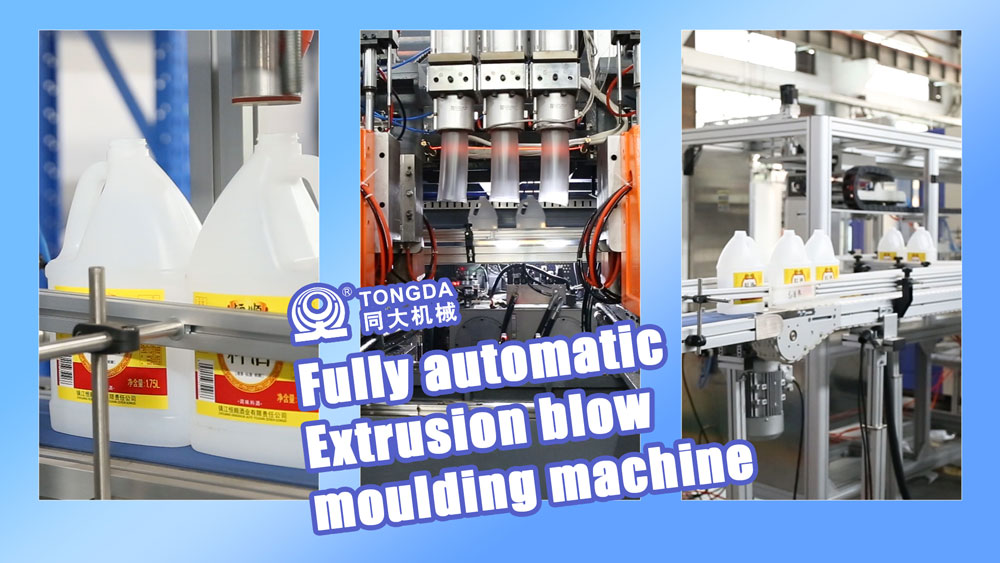
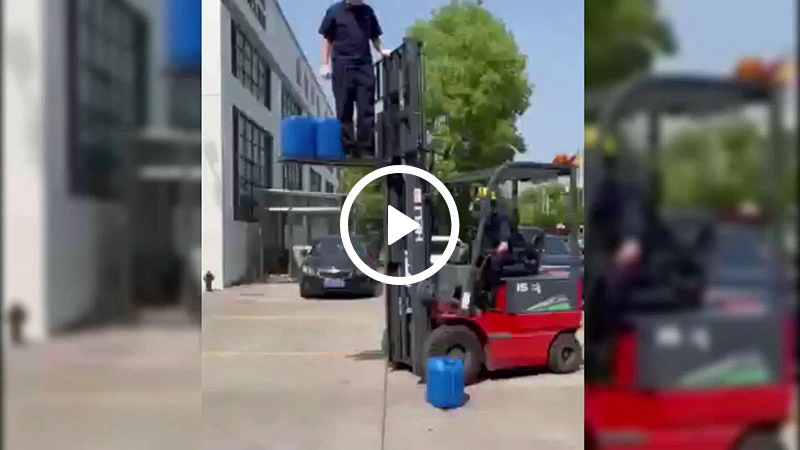
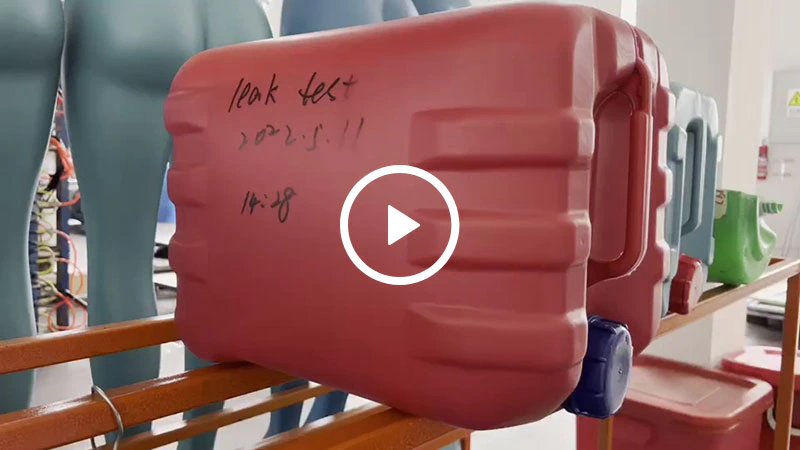
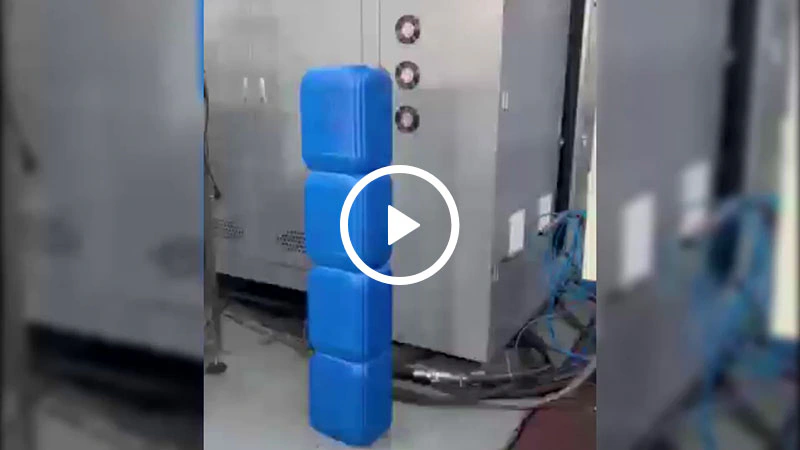
Jerry can making machine (5–30 L, HDPE / PP)
A jerry can making machine at Tongda is an extrusion blow molding machine for HDPE or PP jerry cans, commonly 5–30 L. Choose the published model that matches the can, then ask for a quotation. Piece output is quoted from the can drawing, the weight, the cavities and the cooling. See real output versus the model name.
- HSⅡ-5L for 5 L double-station jerry cans
- HSⅡ-12L for jerry cans up to 12 L
- HSII-20L for containers of 15–20 L
- HSⅡ-30L for 30 L jerry cans
Specifications from the model pages
A jerry can is an HDPE (or suitable PP) container with an integral handle, usually from a few litres to a few tens of litres. The HSⅡ-12L page says a double die head is used for jerry cans up to 5 L and a single die head for jerry cans up to 12 L. A view strip and multilayer heads are options named on this page; they are selected with the mold.
Parison programming can cut material use by 20–30% versus an unprogrammed parison. Confirm that on your can. The table uses only the standard configuration on each model page. HDPE kg/h is extruder output, not cans per hour. A dry cycle is not a production rate. Clamping units are copied as published (kN or kn). More machines are in the extrusion blow molding machine catalogue.
| Model | Max. volume | HDPE output | Clamping force | Screw diameter | Accumulator |
|---|---|---|---|---|---|
| HSⅡ-5L | 5 L, double station | 110 kg/h | 158 kN | 80 mm | Not listed |
| HSⅡ-12L | 12 L, double station | 160 kg/h | 220 kN | 100 mm | Not listed |
| HSII-20L | 15–20 L | 110 kg/h | 110 kn | 80 mm | Not listed |
| HSⅡ-30L | 30 L | 300 kg/h | 300 kn | 100 mm | Not listed |
| TDB-25A | 25 L, single station | 110 kg/h | 215 kN | 80 mm | 4 L |
| TDB-50A | 50 L, single station | 130 kg/h | 260 kN | 90 mm | 6.6 L |
TDB-25A is the machine on the TDB-25F page. TDB-50A is the machine on the TDB-50F page. HSⅡ-5L lists a dry cycle of 900×2 pc/h, and HSⅡ-12L lists 700×2 pc/h. Those figures are not accepted cans per hour.
Suzhou Tongda Machinery has built extrusion blow molding machines since 1999. Send the can drawing, resin and target weight through the contact page.
Questions about jerry can machines
Which model page matches a 5 L, 12 L or 20–30 L jerry can?
The HSⅡ-5L page is a 5 L double-station machine at 110 kg/h of HDPE. The HSⅡ-12L page is 12 L at 160 kg/h, and it says a single die head covers jerry cans up to 12 L. The HSII-20L page lists containers of 15–20 L, 110 kg/h and 110 kn. The HSⅡ-30L page lists 30 L and 300 kg/h. Above that, the TDB-25A is 25 L and the TDB-50A is 50 L.
Why does this table not list cans per hour?
Earlier marketing tables mixed piece counts with extruder output. The model pages publish kg/h and, on some machines, a dry cycle. Piece output has to be quoted for the can weight, cavities and cooling. Use the catalogue figures in the table, then ask for a production estimate on your drawing.
Can the same machine run HDPE and PP jerry cans?
The extrusion machines on this page are set up for HDPE and for suitable PP grades. Name both resins on the quotation so the screw and die head are configured for them.
What is a view strip on a jerry can?
It is a translucent strip in the wall so the fill level can be seen. This page lists a view strip and multilayer builds as options. They are extra screws or die-head choices, confirmed on the quotation.
Which videos show Tongda jerry can lines?
The header video is the published 12 L blowing-and-labeling clip. The three embeds above are the published drop, leak and stack-test clips already used on Tongda jerry-can pages.
How do I request a jerry can machine quotation?
Send the can drawing, resin, target weight and whether you need a view strip or extra layers through the contact page. Compare the published rows above with the extrusion blow molding machine catalogue before you write.
Can I use the published kg/h as accepted jerry cans per hour?
No. The kg/h column is HDPE extruder output. The HSⅡ-5L page lists 110 kg/h, the HSⅡ-12L page lists 160 kg/h, and the HSⅡ-30L page lists 300 kg/h. Dry cycles on the HSⅡ-5L page (900×2 pc/h) and the HSⅡ-12L page (700×2 pc/h) are not accepted cans per hour. Accepted output is quoted from the can drawing, the weight, the cavities and the cooling. Parison programming can cut material use by 20–30% versus an unprogrammed parison. Confirm that on your can. It is a material figure, not an energy figure. How the model name differs from hourly output is explained in real output versus the model name.
What spare parts and after-sales support come with a jerry can machine?
Tongda’s after-sales for this machine covers installation and commissioning, operator training, remote technical support, and on-site service when the project requires it. Spare parts are supplied for the quoted machine. Published company material describes 27 overseas and 14 domestic sales and service centres. The warranty runs for 14 months from the ex-factory date, the date the machine is shipped from the factory. It covers the whole machine and excludes damage caused by human factors, such as misuse or operator error. Most spare parts ship within 3 days. Special or custom parts are quoted case by case. Overseas spare-parts warehouses are in Mexico and Egypt, and more are being added. Online support is free and available 24 hours. An on-site engineer visit can be arranged. The machine interface can be set to English, French, Spanish, Arabic, German, Russian and other major languages. Customer engineers can train at the Tongda factory. When Tongda engineers carry out installation and commissioning, they also train on site. Training length depends on the customer’s needs and is typically 3–5 days. Read warranty, spare parts and after-sales.
Send the model through the contact page.
How do factory acceptance, site acceptance and payment milestones work?
A factory acceptance test uses a written plan to record the agreed jerry can, the accepted output and the operating conditions before shipment. Site acceptance is separate. Plant utilities, installation and downstream equipment can differ from the factory trial, and any site test is defined in the project scope. For the machines the customer buys, factory acceptance covers machine inspection and confirmation, running-stability confirmation, mold confirmation and product confirmation. The length of a stable run is agreed case by case, so this page does not publish a fixed number of hours or cycles. Payment is 30% in advance and 70% before shipment. See FAT, SAT and payment and the all-electric acceptance checklist.
Start the request on the contact page.
What plant utilities does a jerry can line need?
Plan for the plant electrical supply (voltage and frequency), cooling water or a chiller, and compressed air for blowing and pneumatic movements. When the quotation includes them, a crusher, dryer and leak tester are sized with the machine. See ancillary equipment. Voltage and frequency are built to the customer’s plant power supply. Compressed air, chiller capacity and drying requirements, including any drying humidity, depend on the machine model. This page does not publish installed power, water flow, air volume or a humidity figure. See plant utilities for a blow molding line.
Send the plant supply with the can drawing through the contact page.
Will Tongda make the jerry can mold, or can I supply one?
Tongda can machine the blow mold to the can drawing and to the platen, opening stroke and blow pins of the selected machine. The mold is quoted separately from the machine. An existing mold can be reviewed after its envelope, mounting, head spacing, blow pins and utility connections are checked. Physical fit alone does not establish product quality or output, and a machining inspection does not replace a production trial on the agreed machine. The blow mold design guide lists what to record. A typical jerry-can or drum mold takes 50 working days. Mold prices are not published. See cost and lead time.
Ask for a Tongda mold or a review of your mold through the contact page.
How to customize for you
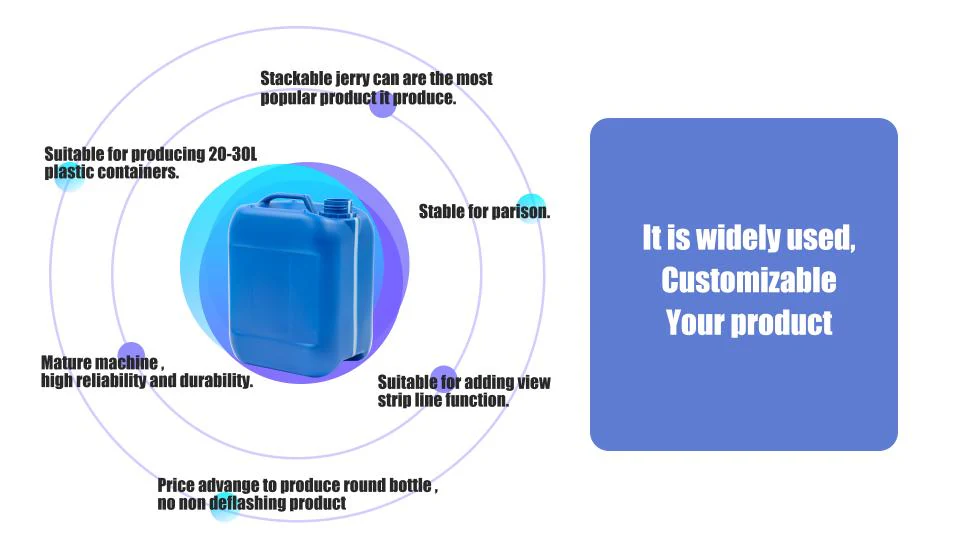
Layout of the whole line