Applications
IBC Tank Blow Molding Machine
Explore Tongda blow molding solutions for IBC tanks, pallets and other large hollow products, with accumulator-head machine models and product guidance.
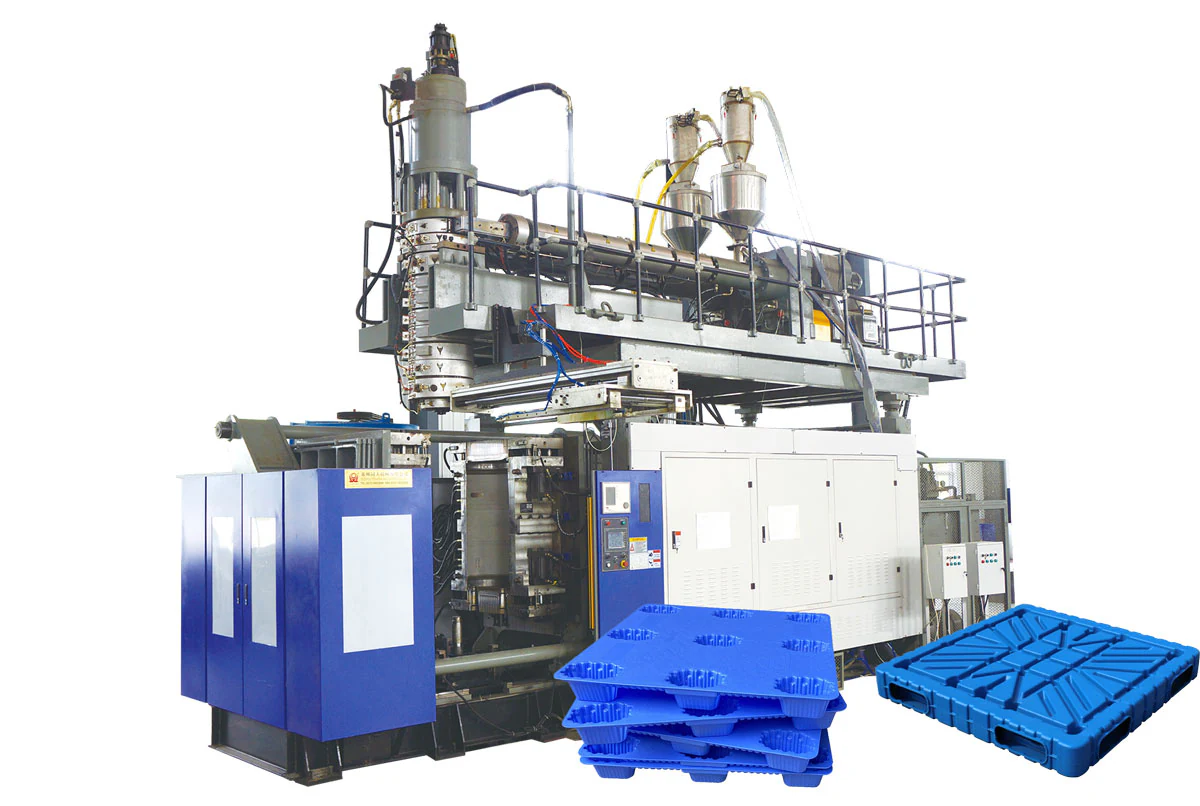
IBC Tank Blow Molding Machine
- Save time: Accumulator type of head with high output extrusion system
- High quality: Smooth surface, uniform wall thickness, sturdy and durable
- Cost Saving: Confirm energy consumption, trim waste and regrind use with our engineers for your selected product and machine configuration.
- Personalization: Different output requirements can be achieved. Customizable Product Size Color Requirements.
The same large machines can also be configured for one-piece plastic tanks. See the water tank blow molding machine and compare the TDBS storage-tank family: TDBS-2000A and TDBS-3000A. Other medium and large blow molded parts are listed separately.
TONGDA Clients
Successfully supplied Jerrycan blow molding machine lines to many countries around the world
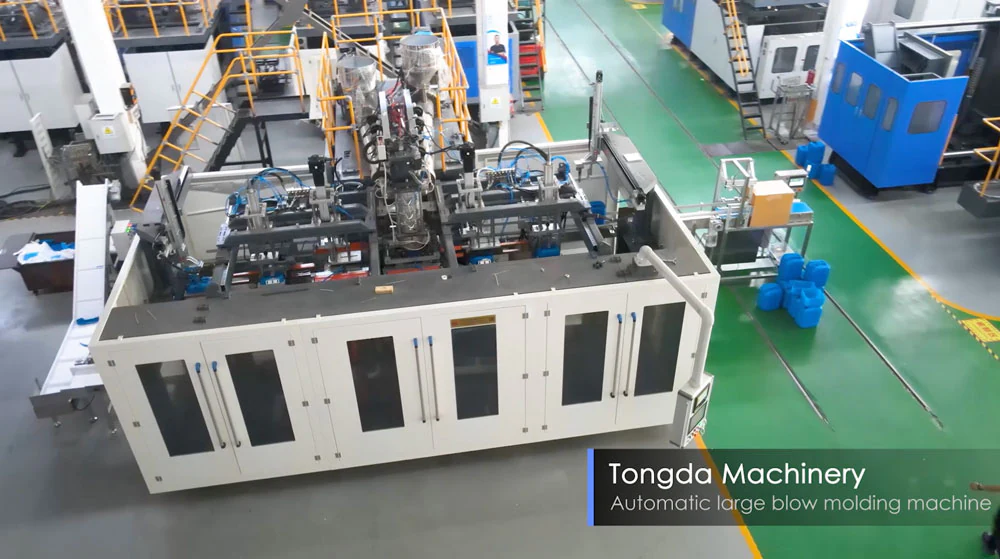
- Client Location Mexico
- Model HSII-30L
- Output 120pcs/hr
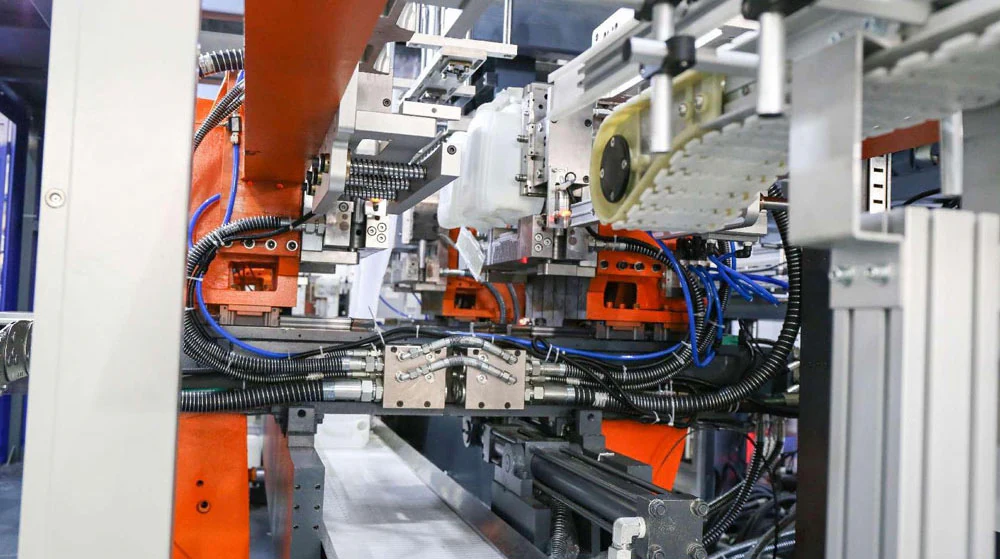
- Client Location Ukraine
- Model HSII-20L-2
- Output 400pcs/hr
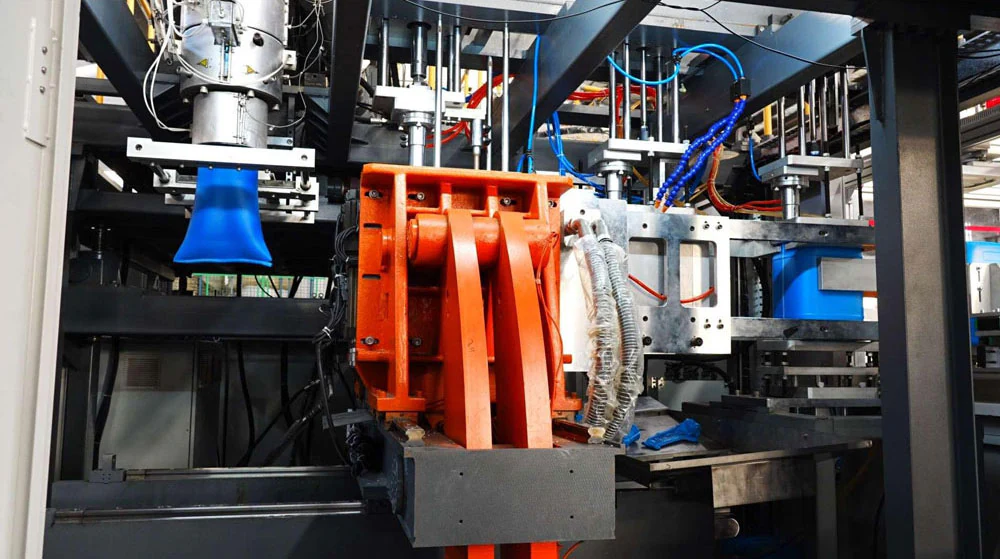
- Client Location The Philippines
- Model HS-30L/1
- Output 60pcs/hr
Trusted By

How an IBC inner bottle is blown
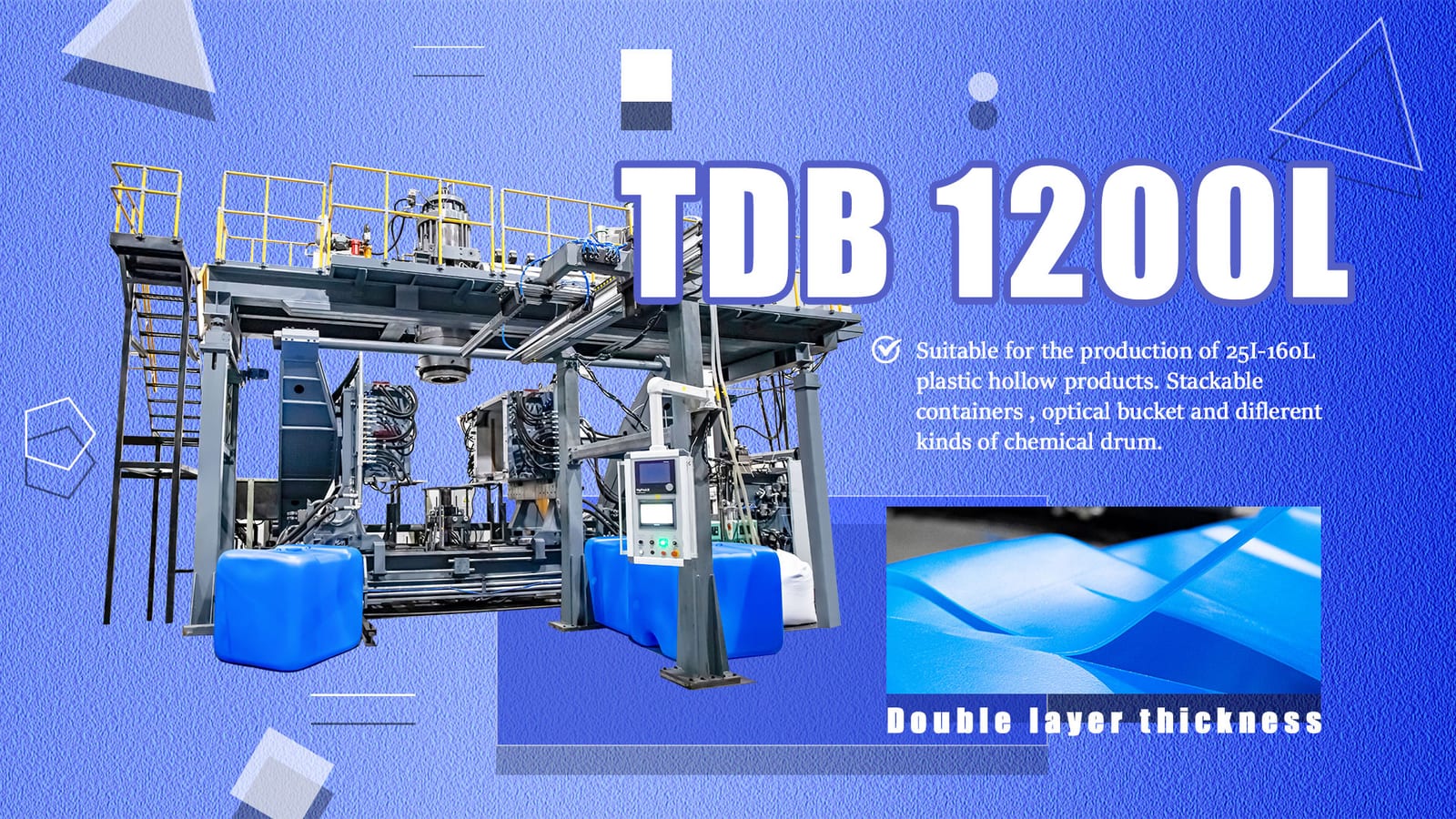
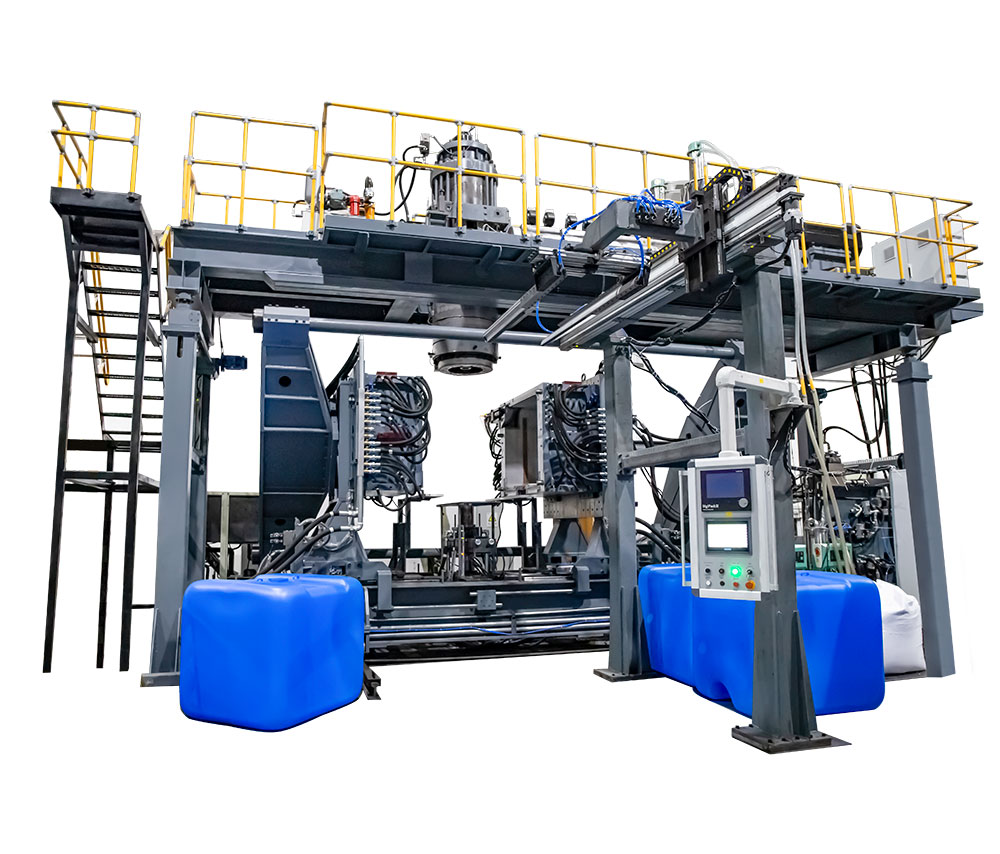
An intermediate bulk container inner bottle is a large hollow HDPE container, commonly around 1,000 L, carried in a cage or on a pallet. Tongda forms it on an accumulator-head extrusion line: the extruder fills the head, the head shoots one parison, the clamp closes, and compressed air forms the bottle. Parison programming puts material into the corners and the base. On these containers it can cut material use by 20–30% compared with an unprogrammed parison; confirm that saving on your drawing.
The 3,000 L machine in Tongda’s range is the TDBS-3000A storage tank. It is a storage tank, not an IBC. Smaller and mid-size containers are in the extrusion blow molding machine catalogue. Suzhou Tongda Machinery has built these lines since 1999, with three plants of about 100,000 m², ISO 9001, ISO 14001 and ISO 45001, and 90+ patents.
The video above this section is Tongda’s published TDB-1200L clip.
Specifications from the model pages
Figures below are the published standard configuration on each model page. HDPE kg/h is extruder output, not finished bottles per hour. Clamping units are copied as published (kN or kn). A dry-cycle figure, where a page has one, is not a production rate.
| Model | Max. volume | HDPE output | Clamping force | Accumulator | Screw diameter |
|---|---|---|---|---|---|
| TDBX-1000A | 1,000 L | 420 kg/h | 1,200 kn | Not listed on the model page | 135 mm |
| TDB-1200A-P3 | 1,200 L | 720–750 kg/h | 1,500 kN | 50 L | 120 + 90 × 2 mm |
| TDBX-1500A | 1,500 L | 450 kg/h | 1,200 kN | 35 L | 135 mm |
| TDW-350F | 350 L | 380 kg/h | 1,800 kn | Not listed on the model page | 120 mm |
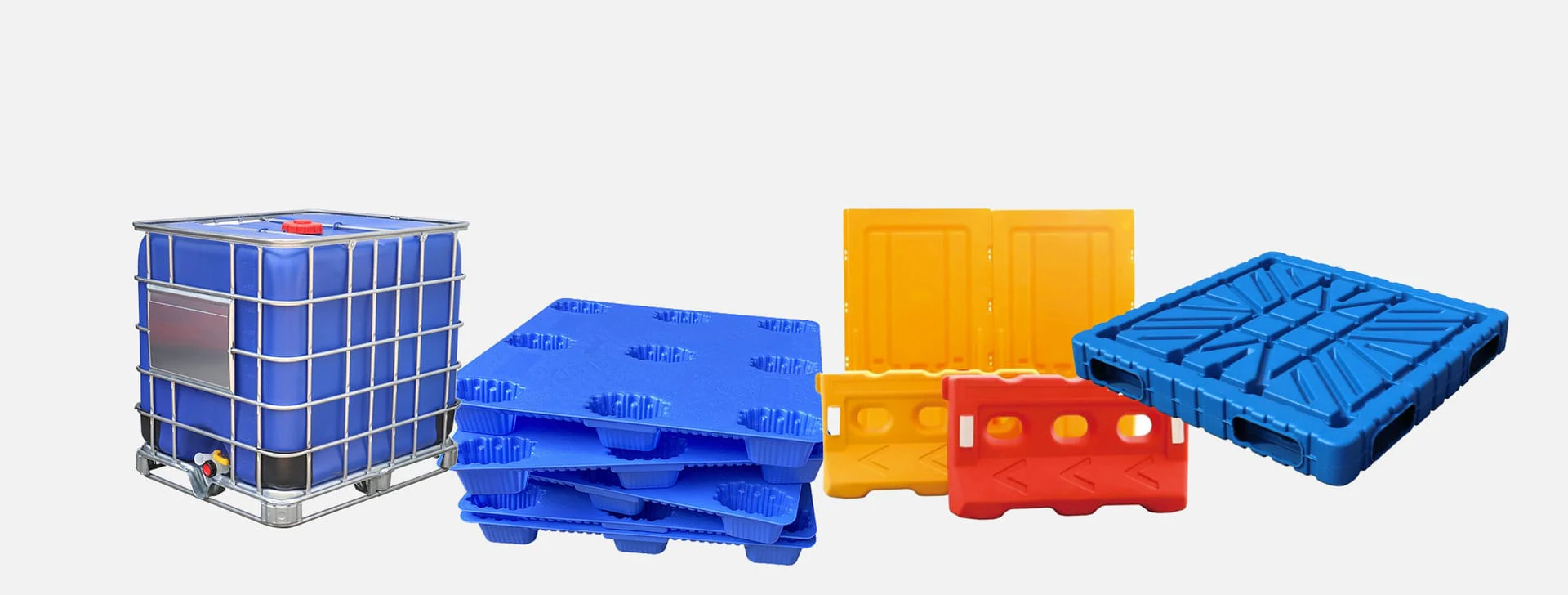
The TDB-1200A-P3 page lists 750 kg/h for its published standard configuration. Tongda states TDB-1200 HDPE output as 720–750 kg/h. TDBX-1500A is the machine on the TDBX-1500A page: single station, 100 dry cycles/h (not a production rate), 60 t, platen distance 600–2,000 mm. TDW-350F is published for pallets, table panels, roadblocks and other large hollow parts, with a 350 L maximum. It is not a 1,000 L IBC machine.
Send the inner-bottle drawing, resin and target weight through the contact page.
Questions about IBC blow molding
Which Tongda machine is published for a 1,000 L IBC inner bottle?
The TDBX-1000A page lists a 1,000 L maximum, 420 kg/h of HDPE, 1,200 kn clamping force and a 135 mm screw. Confirm the mold and the head against your bottle drawing before ordering.
What HDPE output is published for the TDB-1200?
Tongda states TDB-1200 HDPE output as 720–750 kg/h. The TDB-1200A-P3 page lists 750 kg/h, a 50 L accumulator, 1,500 kN clamping force and screws of 120 mm plus two 90 mm screws for its 3-layer configuration.
Is the 3,000 L machine an IBC blow molding machine?
No. The TDBS-3000A is a storage-tank machine: 3,000 L maximum, a 120 L accumulator and three 100 mm screws. IBC inner bottles in this catalogue are the 1,000–1,500 L machines above.
Does extruder kg/h equal finished IBC bottles per hour?
No. The kg/h figures are HDPE extrusion output from the model pages. Accepted bottles per hour depend on bottle weight, cooling and the mold. Where a page lists dry cycles, that number is not a production rate.
Can the same large machine make a water tank?
The TDB-1200A-P3 and TDBX-1500A pages describe large industrial containers, including water tanks, with a mold for each product. Storage tanks up to 3,000 L are the TDBS series on the water tank blow molding machine page.
How do I request an IBC machine quotation?
Send the bottle drawing, resin, target weight and any cage or pallet interface through the contact page. Suzhou Tongda Machinery quotes the screw, die head and mold for that bottle. The company has supplied more than 10,000 machines to 100+ countries since 1999.
Can I use the published kg/h as accepted IBC bottles per hour?
No. The TDBX-1000A page lists 420 kg/h of HDPE for a 1,000 L maximum. Tongda states TDB-1200 HDPE output as 720–750 kg/h. The TDB-1200A-P3 page lists 750 kg/h for its published standard configuration. The TDBX-1500A page lists 450 kg/h, and its 100 dry cycles/h are not a production rate. Accepted bottles per hour depend on bottle weight, cooling and the mold. Parison programming can cut material use by 20–30% versus an unprogrammed parison. Confirm that on your drawing. It is a material figure, not an energy figure. How the model name differs from hourly output is explained in real output versus the model name.
What spare parts and after-sales support come with an IBC machine?
Tongda’s after-sales for this machine covers installation and commissioning, operator training, remote technical support, and on-site service when the project requires it. Spare parts are supplied for the quoted machine. Published company material describes 27 overseas and 14 domestic sales and service centres. The warranty runs for 14 months from the ex-factory date, the date the machine is shipped from the factory. It covers the whole machine and excludes damage caused by human factors, such as misuse or operator error. Most spare parts ship within 3 days. Special or custom parts are quoted case by case. Overseas spare-parts warehouses are in Mexico and Egypt, and more are being added. Online support is free and available 24 hours. An on-site engineer visit can be arranged. The machine interface can be set to English, French, Spanish, Arabic, German, Russian and other major languages. Customer engineers can train at the Tongda factory. When Tongda engineers carry out installation and commissioning, they also train on site. Training length depends on the customer’s needs and is typically 3–5 days. Read warranty, spare parts and after-sales.
Send the model through the contact page.
How do factory acceptance, site acceptance and payment milestones work?
A factory acceptance test uses a written plan to record the agreed inner bottle, the accepted output and the operating conditions before shipment. Site acceptance is separate. Plant utilities, installation and downstream equipment can differ from the factory trial, and any site test is defined in the project scope. For the machines the customer buys, factory acceptance covers machine inspection and confirmation, running-stability confirmation, mold confirmation and product confirmation. The length of a stable run is agreed case by case, so this page does not publish a fixed number of hours or cycles. Payment is 30% in advance and 70% before shipment. See FAT, SAT and payment and the all-electric acceptance checklist.
Start the request on the contact page.
What plant utilities does an IBC line need?
Plan for the plant electrical supply (voltage and frequency), cooling water or a chiller, and compressed air for blowing and pneumatic movements. When the quotation includes them, a crusher, dryer and leak tester are sized with the machine. See ancillary equipment. Voltage and frequency are built to the customer’s plant power supply. Compressed air, chiller capacity and drying requirements, including any drying humidity, depend on the machine model. This page does not publish installed power, water flow, air volume or a humidity figure. See plant utilities for a blow molding line.
Send the plant supply with the bottle drawing through the contact page.
Will Tongda make the IBC mold, or can I supply one?
Tongda can machine the blow mold to the inner-bottle drawing and to the platen, opening stroke and blow pins of the selected machine. The mold is quoted separately from the machine. An existing mold can be reviewed after its envelope, mounting, head spacing, blow pins and utility connections are checked. Physical fit alone does not establish product quality or output, and a machining inspection does not replace a production trial on the agreed machine. The blow mold design guide lists what to record. A typical jerry-can or drum mold takes 50 working days. Mold prices are not published. See cost and lead time.
Ask for a Tongda mold or a review of your mold through the contact page.
Machine Choice
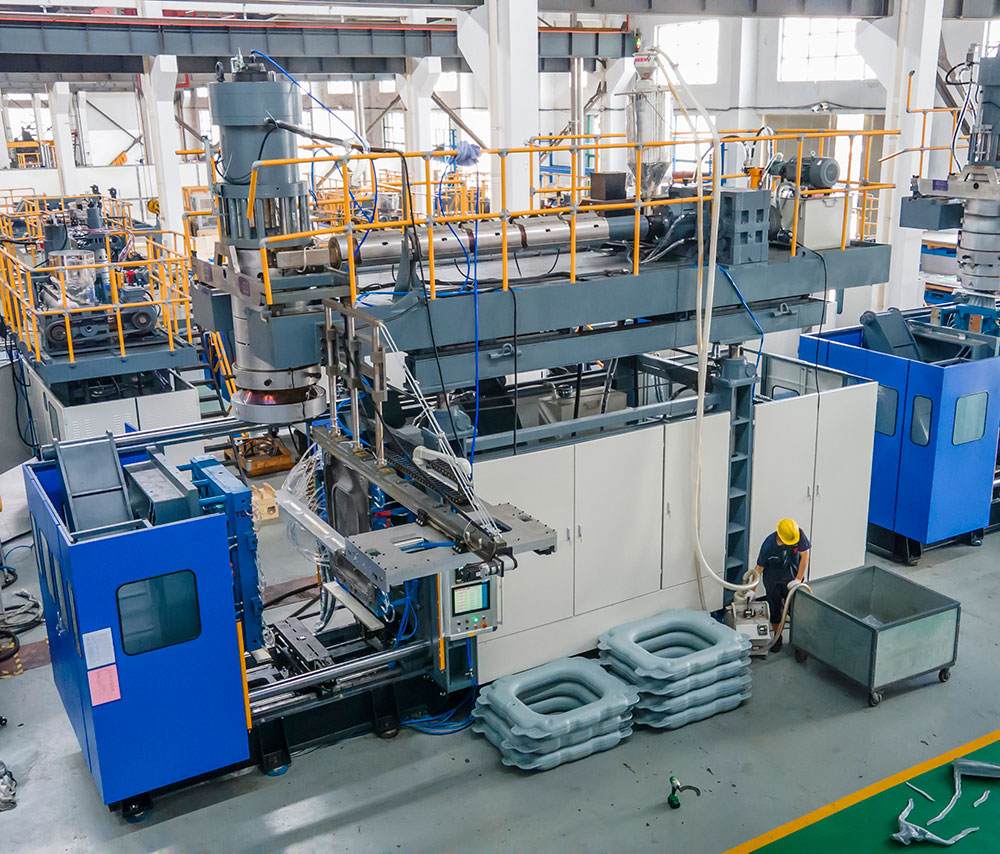
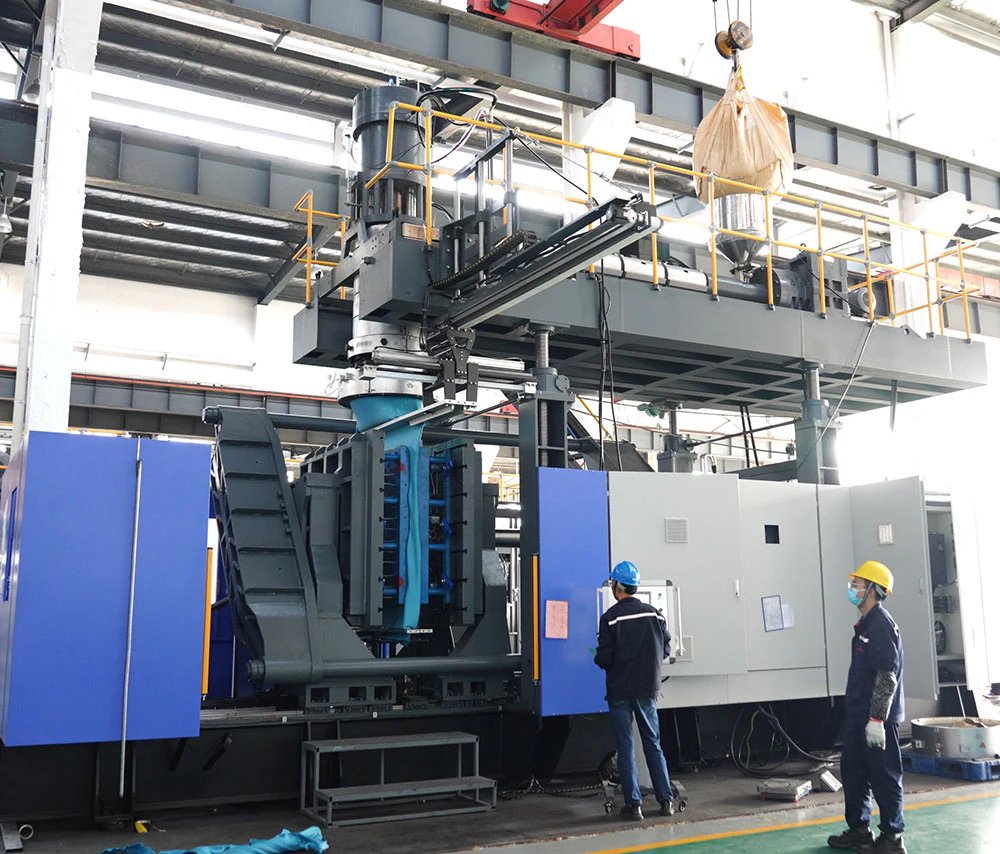
Advantages of Tongda Machinery Products
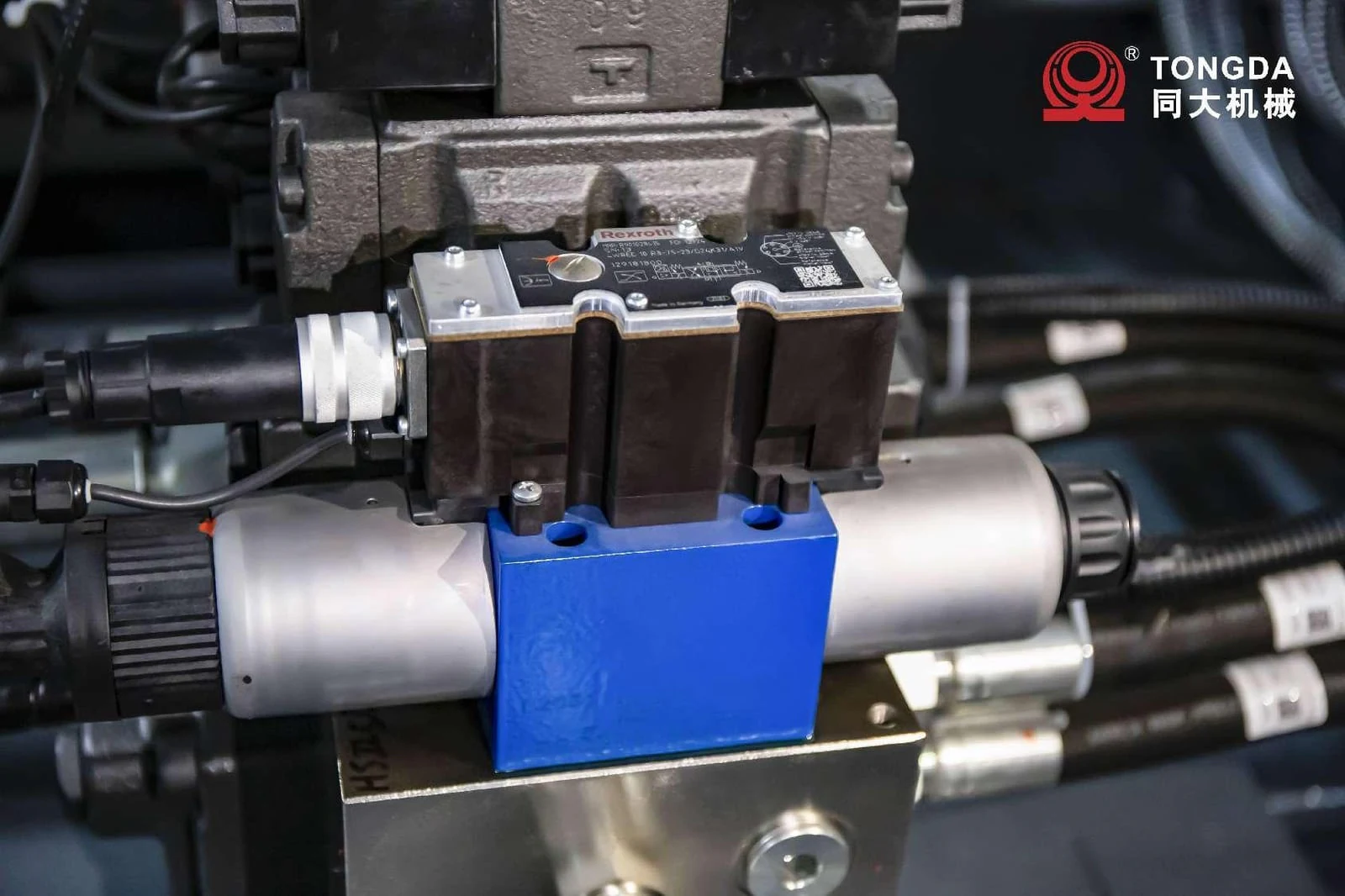
Hydraulic system:
Proportional hydraulic control, equipped with imported hydraulic valve and oil pump, stable and reliable.
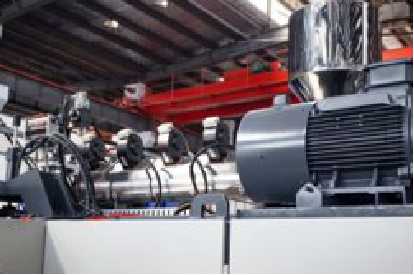
Plasticizing system:
The plasticizing system adopts American S design series. Full consideration shall be given to the full plasticization of such medium molecular weight and high molecular weight polyethylene. The high efficiency plasticizing mixing screw is used to fully and evenly plasticize, improve the surface quality of the product, and effectively prevent the temperature rise of the screw. The diameter of 90MM screw can reach 130Kg/h. Equipped with energy-saving device of frequency converter, the average plasticizing capacity is 3.97Kg per kilowatt hour. Its energy consumption ratio is second to none among similar products.
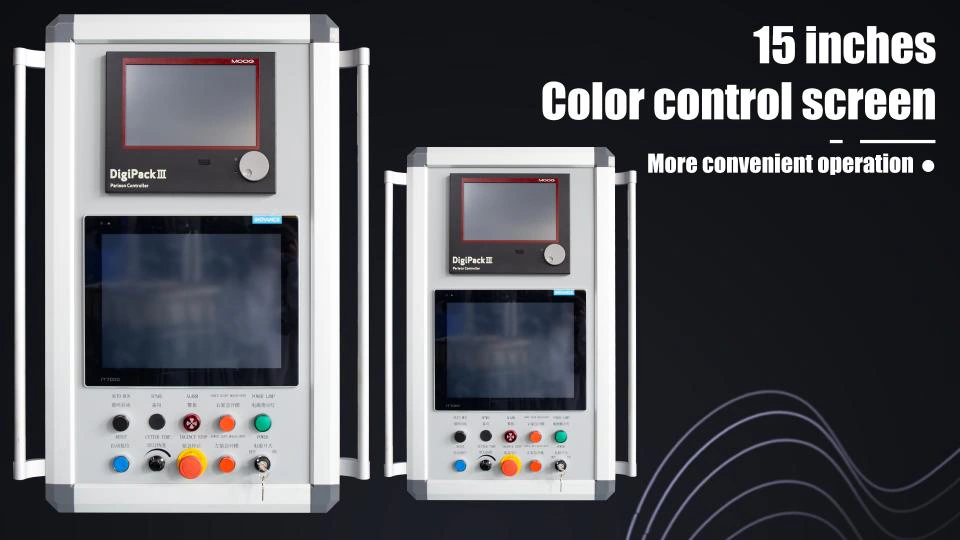
Electrical control system:
Mitsubishi PLC computer interface (Chinese and English) control All process setting, change, retrieval, monitoring, fault diagnosis and other functions are realized on the touch screen. The working principle of pointless contact makes the components durable.
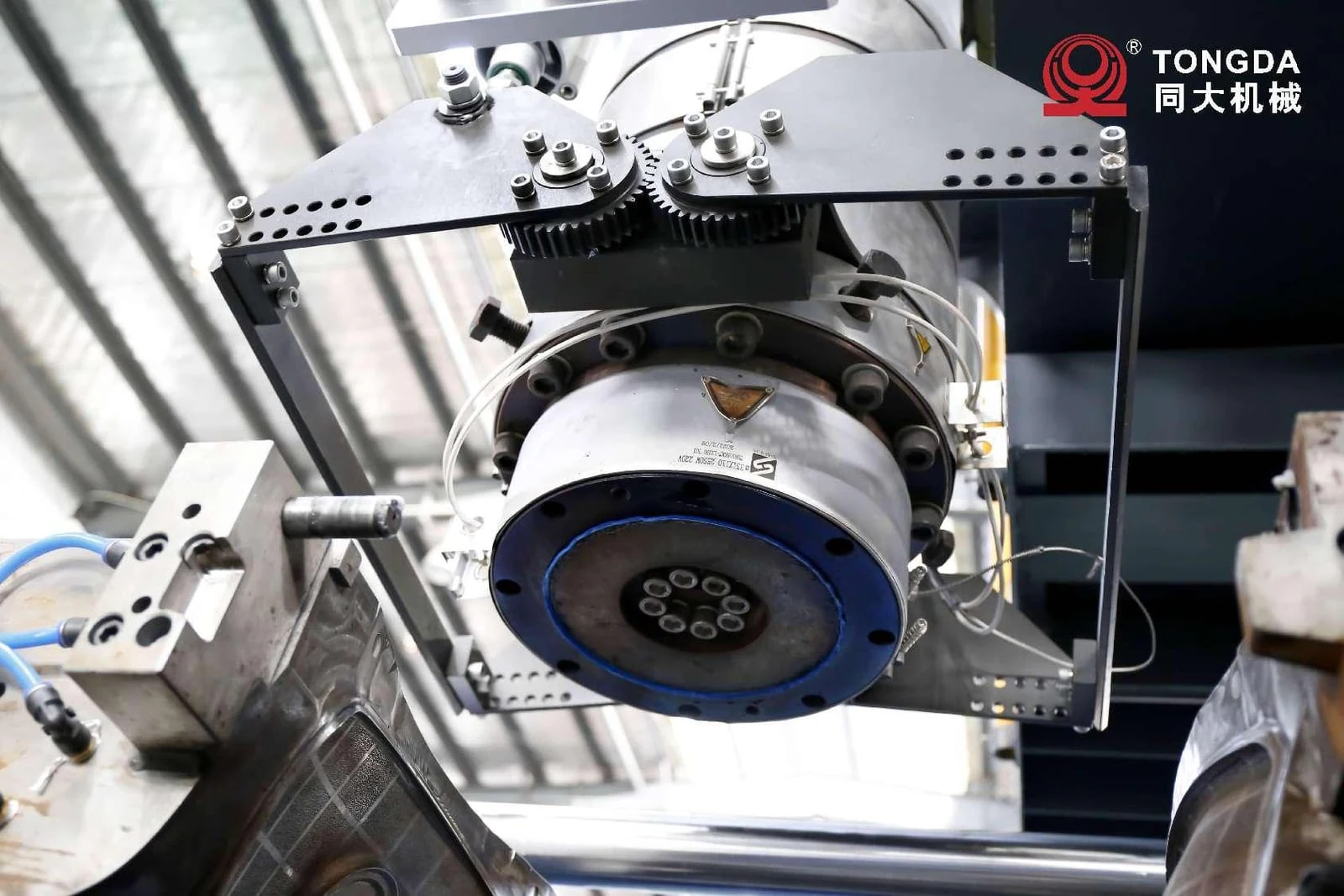
Material injection:
Independent single (large) oil cylinder feeding ensures the concentricity of feeding and absolutely avoids the asynchronous phenomenon of double oil cylinders. Tongda’s unique technology 10 section pressure wall thickness control function reduces the difference between the upper and lower width of the blank due to vertical extension, and improves the uniformity of the product wall thickness.
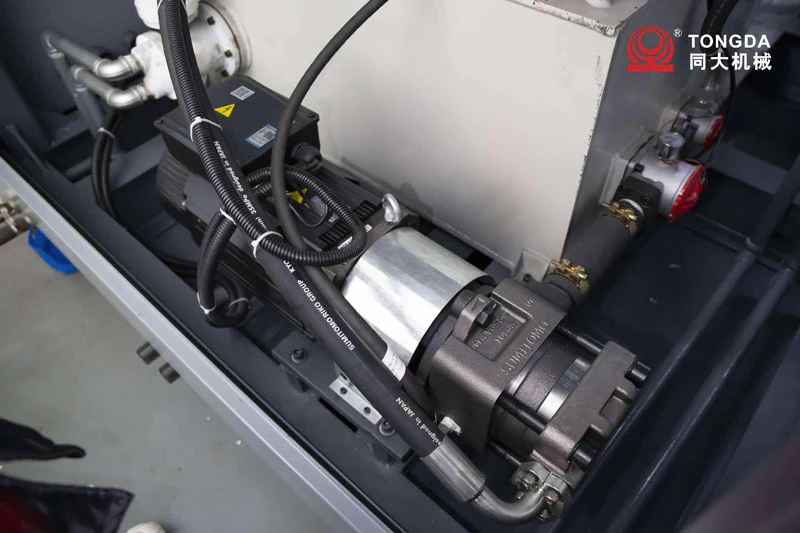
Low energy consumption:
Equipped with oil pump servo motor, it can save about 10 kilowatt hours of electricity. The longer the molding cycle is, the more significant the energy saving effect will be. Select the appropriate power to make the motor work at the appropriate speed, extend the service life of the motor, and reduce the hydraulic oil temperature. The motor will not run at high speed due to too small motor power, which will lead to motor vulnerability.
Related case study
Wall distribution, accumulator-head setup and acceptance tests for a large inner bottle are covered in the IBC inner-bottle blow molding guide for the TDB-1200FP.