Published 4 min readTechnology
A factory acceptance test for an all-electric extrusion blow molding line should demonstrate the intended container, accepted output and agreed operating conditions. Use a written test plan, record the actual run and resolve exceptions against the specification. A drive label or an impressive short demonstration is not a complete acceptance result.
This checklist develops the practical inspection themes in Tongda’s HSE workshop material. It helps buyers define the evidence they need before shipment, and complements the separate all-electric investment and payback guide.
Agree the product, configuration and test boundary
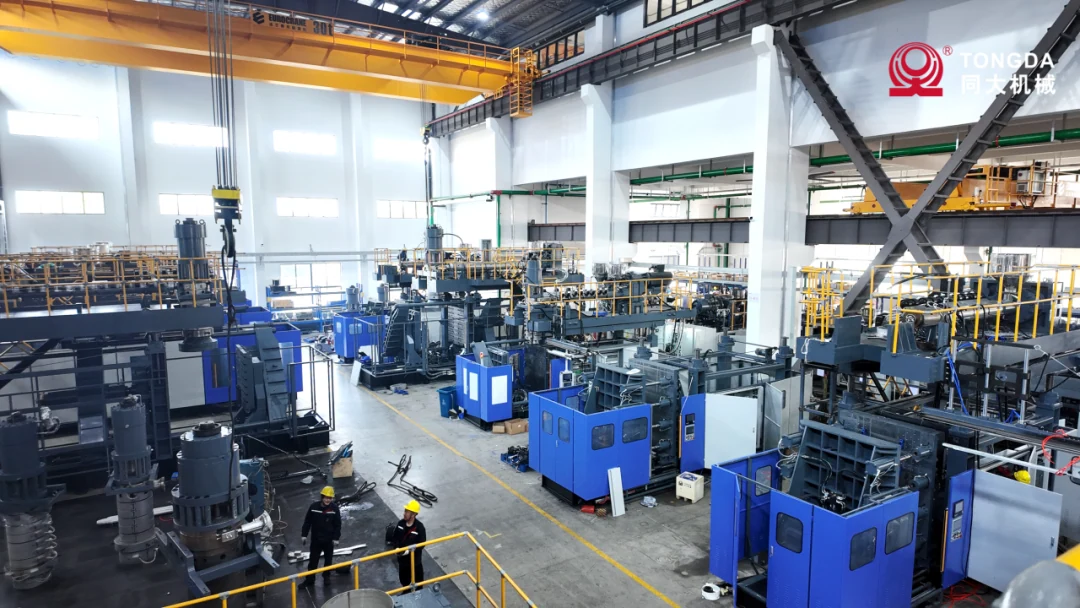
Identify the machine, supplied options, mold, resin grade, color, permitted recipe and target part mass. State the number and arrangement of cavities, the product drawing revision, closure requirements and downstream equipment included in the trial.
Agree the run duration, sampling plan, inspection methods and limits before testing. Define how startup, stoppages, changeovers and rejected parts will be reported. If an auxiliary unit is outside the supplier’s scope, document the substitute used during the test and any remaining installation requirement.
| Acceptance area | Evidence to retain |
|---|---|
| Product quality | Measured sample results linked to the drawing and recipe |
| Accepted output | Counts, elapsed time, stops and reject reasons |
| Energy | Meter readings and the equipment boundary |
| Operation | Agreed function checks, exceptions and final documents |
Inspect the molded part, including local walls
Measure net weight, dimensions, neck finish, pinch-off and the specified local wall positions. Define the reference and calculation for any quoted tolerance. An average or a single good sample cannot show that the entire agreed run met the acceptance plan.
If the line is intended for several products, test the agreed representative range. Include a restart or controlled changeover where it matters to the purchase specification. Retain the approved settings and resulting samples so that future production can be compared on the same basis.
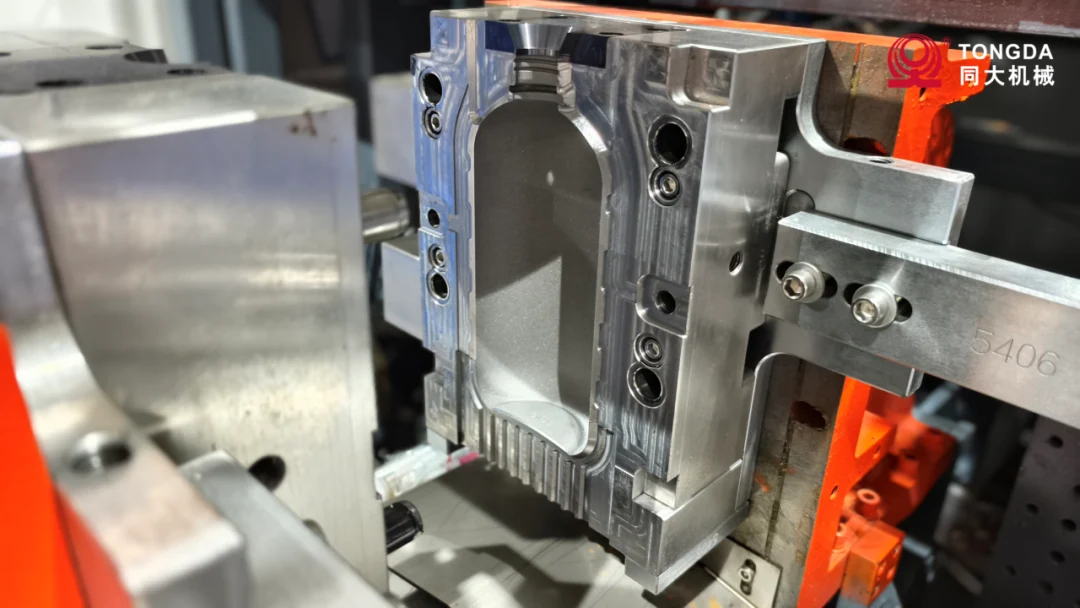
The workshop photograph illustrates tooling and mounting detail. It is not a test report for a particular delivered machine. The acceptance record should identify the actual tool and installation being evaluated.
Measure output and energy together
Calculate accepted output from accepted part counts and the defined elapsed time. Keep rejects and interruptions visible. State whether an hourly figure is a short-run extrapolation or an observation over the agreed production period.
For energy, record kWh per accepted container under the same resin, mold, mass and output conditions. Define whether drying, chilling, compressed air, granulation, labeling and inspection are inside the measured boundary. A comparison of motor nameplates or idle power is not an equivalent production measurement.
If a saving is part of the purchase case, establish the baseline machine and measurement method. Do not apply a generic percentage from another product or installation. The ROI calculation should use the accepted test basis and the buyer’s actual operating assumptions.

Review cleanliness, access and operation
All-electric motion can remove the hydraulic-oil pathway associated with the motions it replaces. It does not establish that the whole line contains no lubricant or that every contamination risk has disappeared. Review bearings, gearboxes, product contact, material handling and downstream operations as appropriate to the application.
Use the agreed supplier procedures to check guards, interlocks, alarms and normal operating functions. Review operator and maintenance access, lubrication instructions, spare-parts information and the supplied manuals. Record the defined operating condition and method for any noise measurement rather than assuming a universal value from the drive type.
Food, pharmaceutical or other special production requirements need their own application assessment. They cannot be inferred solely from an all-electric machine description.
Verify data functions and close the exceptions
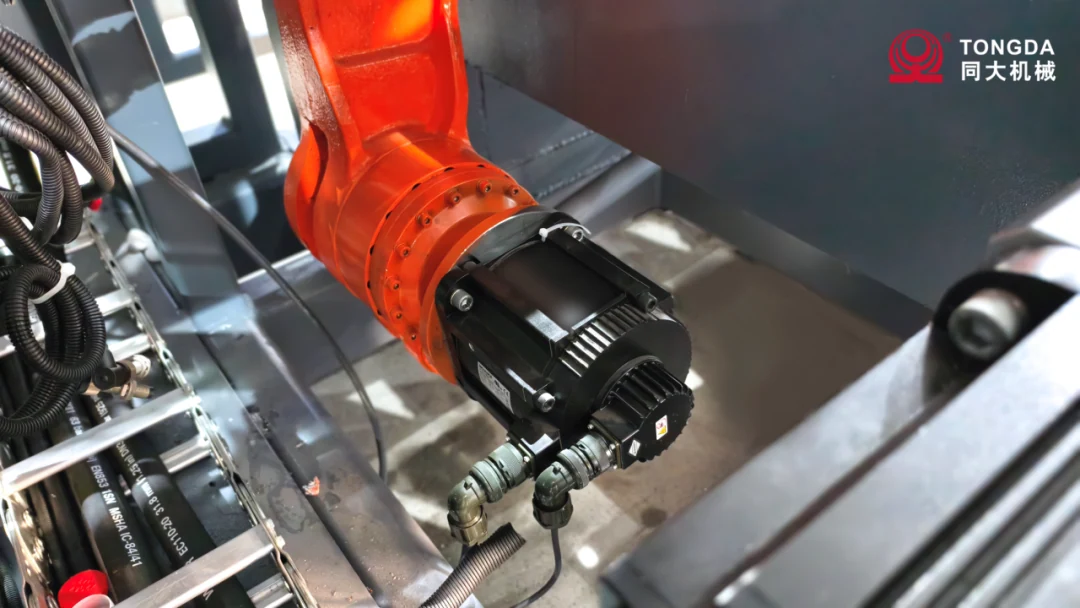
Demonstrate the recipe storage, user access, traceability and interfaces included in the quotation. Confirm that recorded data can be associated with the tested product and run. A PLC brand name does not specify which data or remote functions have actually been supplied.
Prepare a final record containing the configuration, test conditions, results and outstanding actions. Assign each action an owner and completion criterion. Define which items must be resolved before shipment and which are verified after installation. Retain the final approved settings and documentation for handover.
Questions buyers ask
Is a successful factory test the same as site acceptance?
No. Site utilities, installation, downstream connections and operating conditions may differ. Define any site acceptance activities and their relationship to the factory record in the agreed project scope.
Is all-electric equipment automatically oil-free or cleanroom-qualified?
No. The complete installation still needs the relevant lubrication, handling and application assessment. Use specific, documented requirements instead of assuming those properties from the drive architecture.
What should be agreed before ordering?
Review the fully electric machine range and the intended product specification. Request an acceptance-plan review covering the configuration, trial product, measurement boundary, documents and responsibilities alongside the quotation.
Source material: Tongda WeChat article 12. Source photographs and video stills retain the original equipment details. English concept illustrations are identified in their captions.