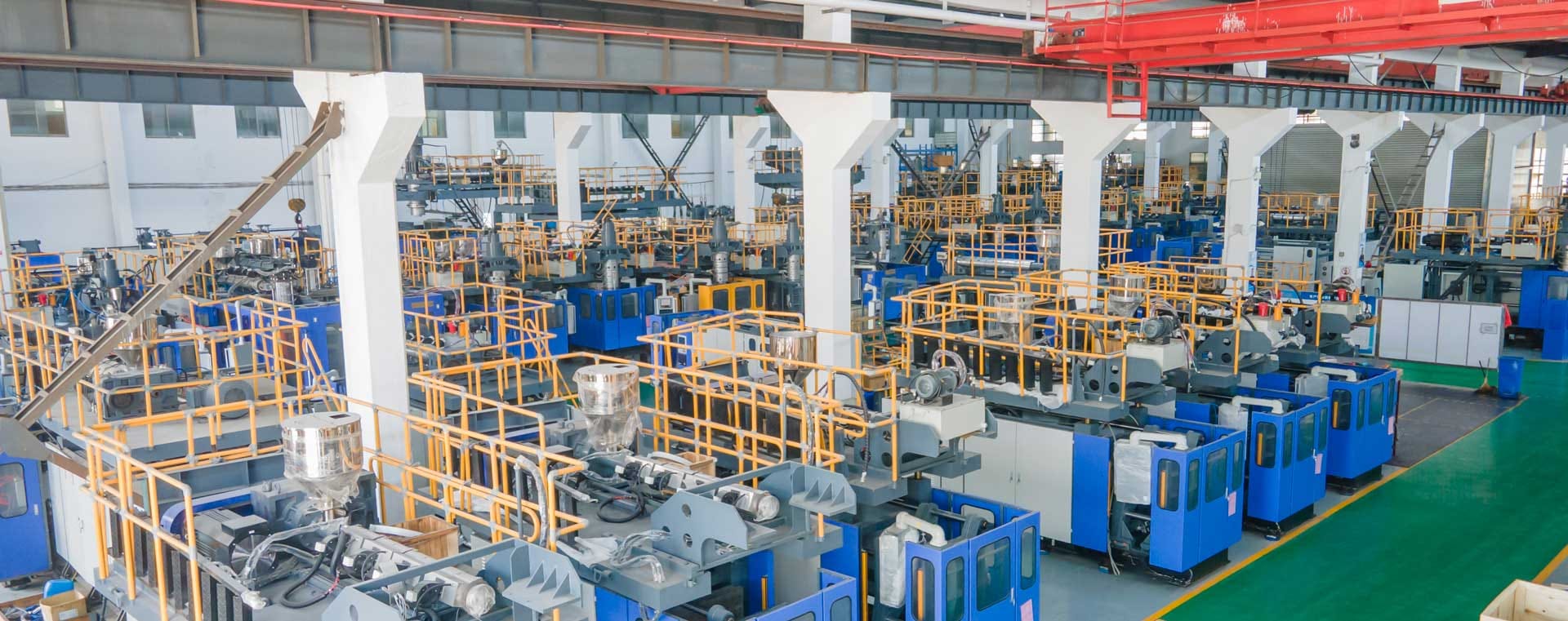
 Eileen Yu, Vice General Manager
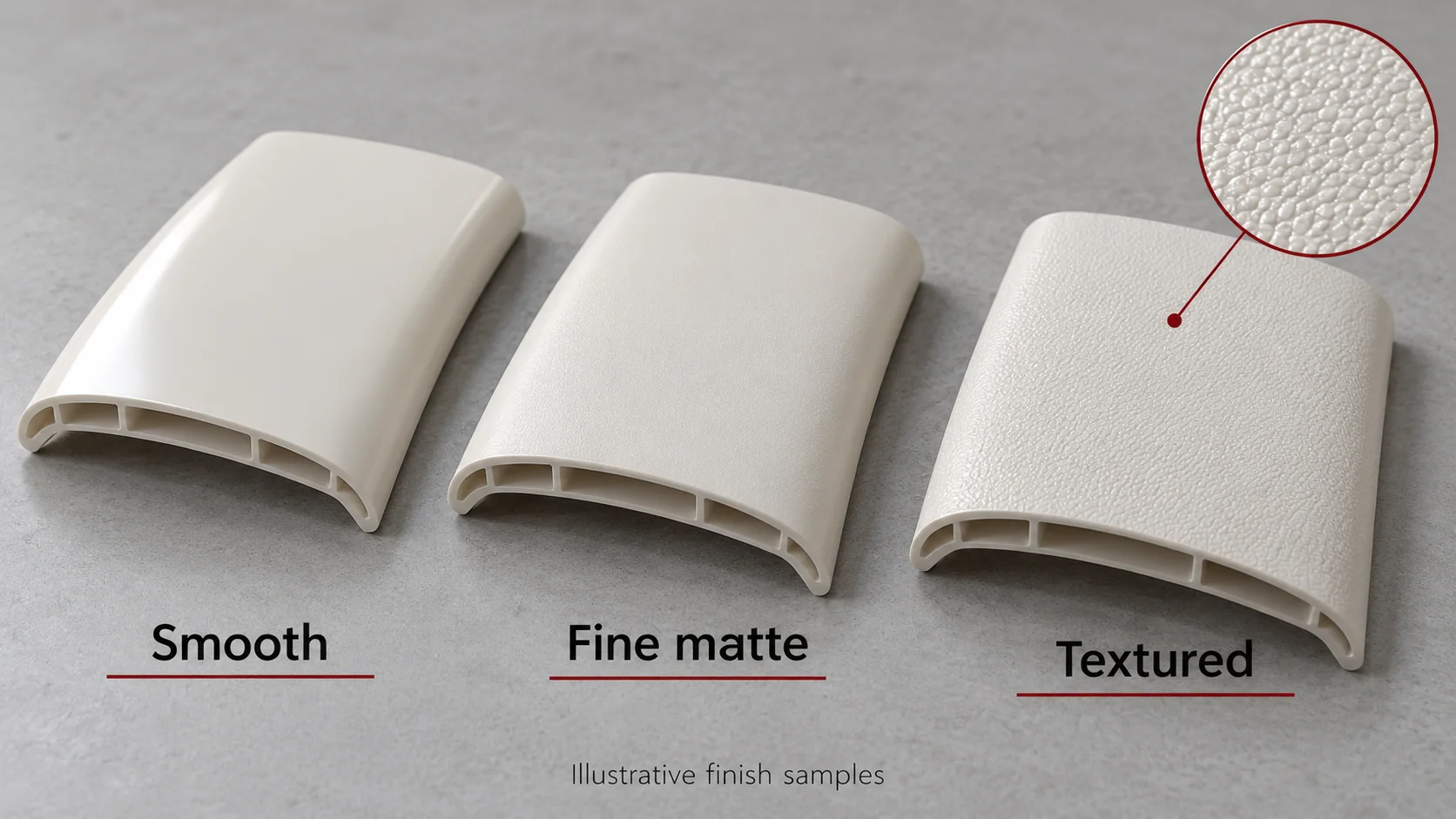
Surface texture on a blow molded furniture or play-equipment component should be specified with approved samples and an inspection method. Words such as smooth, matte and textured describe a direction, but they do not fully define feel, gloss, cleanability or wear. Connect the finish to the chosen material, mold and production conditions.
Tongda’s source article discusses the appearance and tactile qualities of large molded products. This guide focuses on how a buyer can turn that design intent into a repeatable manufacturing requirement, separately from the structural and safety requirements of the complete product.
Use samples to make the finish comparable
Agree a reference panel or molded sample and identify which surfaces it represents. Specify the viewing conditions and any measurable criteria needed for the product. Preserve the approved sample with its resin, pigment and tool revision so later runs have a stable reference.
Photographs can communicate color and pattern, but they cannot reproduce touch reliably. Inspect physical samples when the tactile effect matters. A matte appearance does not necessarily mean a soft material, and a soft-touch formulation is a different decision from adding texture to a mold surface.
Connect the finish to tooling and material
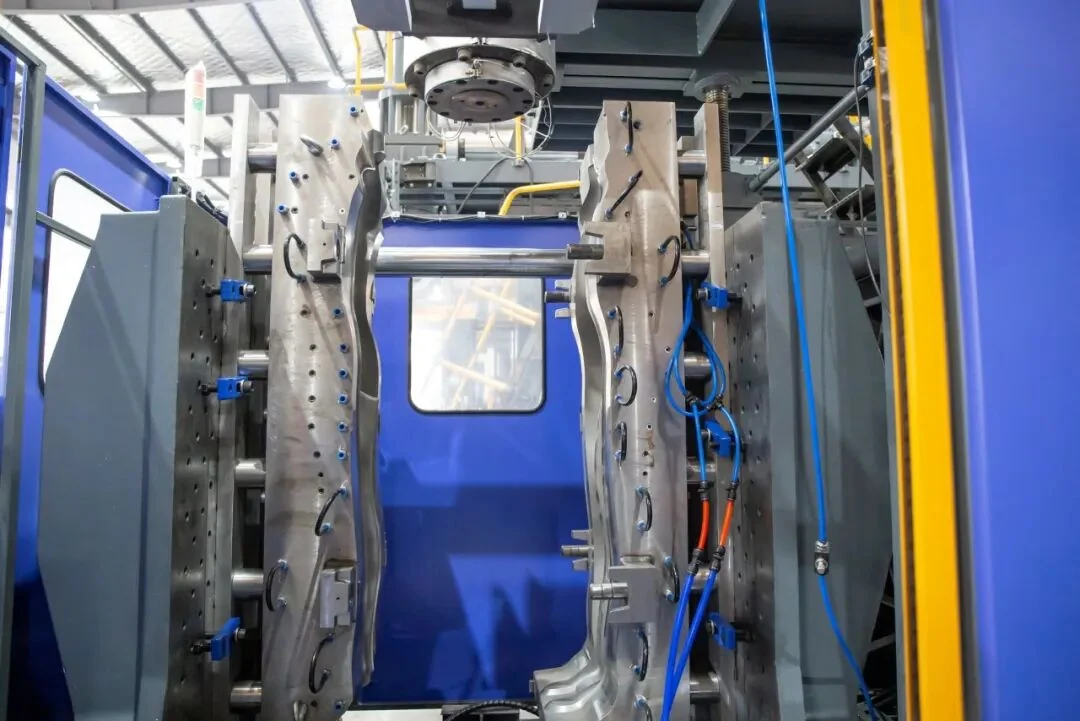
The mold surface, resin grade, color system and processing conditions all contribute to the result. Evaluate reproduction on the actual geometry, especially on deep features, corners, pinch-offs and areas affected by trimming.
| Design choice | What to compare on the molded part |
|---|---|
| Smooth surface | Visible marks, gloss consistency and handling damage |
| Fine matte finish | Consistency between broad faces and curved regions |
| Textured surface | Detail reproduction, edges and cleaning behavior |
| Color and additives | Appearance under agreed conditions and batch consistency |
| Parting and trimming areas | Whether the finished edge matches the approved sample |
Discuss texture and any associated tooling requirements before the mold is completed. Surface changes can affect release and the appearance of complex features; they should not be treated as a purely cosmetic decision made after the tool trial.
Control the production conditions behind the finish
Record the accepted material and process recipe. Review melt conditions, mold temperature, forming and cooling with the tooling team. Inspect parts after the agreed conditioning period rather than mixing freshly molded and fully cooled samples.
When a finish changes, check the material batch, pigment, mold condition and process history before making several adjustments at once. Keep accepted and rejected samples with notes about where the difference appears. This makes troubleshooting more useful than a general instruction to “make it look better.”
Test cleaning and wear for the intended use
The surface should be evaluated with the expected cleaning method, handling and exposure. An outdoor component, an indoor seat and a frequently cleaned play part can have different requirements. Define the relevant conditions and acceptance criteria with the product manufacturer.
Do not infer structural strength, child preference or ergonomic benefit from texture alone. Those are separate design and product-evaluation questions. Similarly, a surface that initially hides marks may still change during use and should be assessed over the intended test sequence.
Keep surface and structure decisions connected
A visually acceptable sample can still have a local-wall or dimensional problem. Inspect the relevant manufacturing criteria alongside the finish. For broad furniture panels, see the table-top flatness guide. For complete play components, use the playground manufacturing guide.
Questions buyers ask
Can the requested texture be reproduced from a photograph?
A photograph is a useful starting point. A physical reference sample and tool trial are more reliable for agreeing the actual appearance and tactile effect.
Does changing to a soft-touch resin avoid a mold trial?
No. Material, texture, geometry and process interact. The TPO bottle guide illustrates why surface material and part construction must be evaluated together.
Send your finish sample and component drawing so the tooling and process review can address the required surfaces.
Adapted from Tongda’s original WeChat article. Case figures are manufacturer-reported for the described application. Original photographs and English concept illustrations are identified in their captions.