 Eileen Yu, Vice General Manager
Blow molding a sofa frame requires the machine, tool and downstream assembly to be planned together. The hollow frame must meet dimensional and local-wall requirements at attachment points while fitting the complete furniture design. Repeatability should be demonstrated through samples and trial records, not inferred from a machine’s clamp size or controller brand.
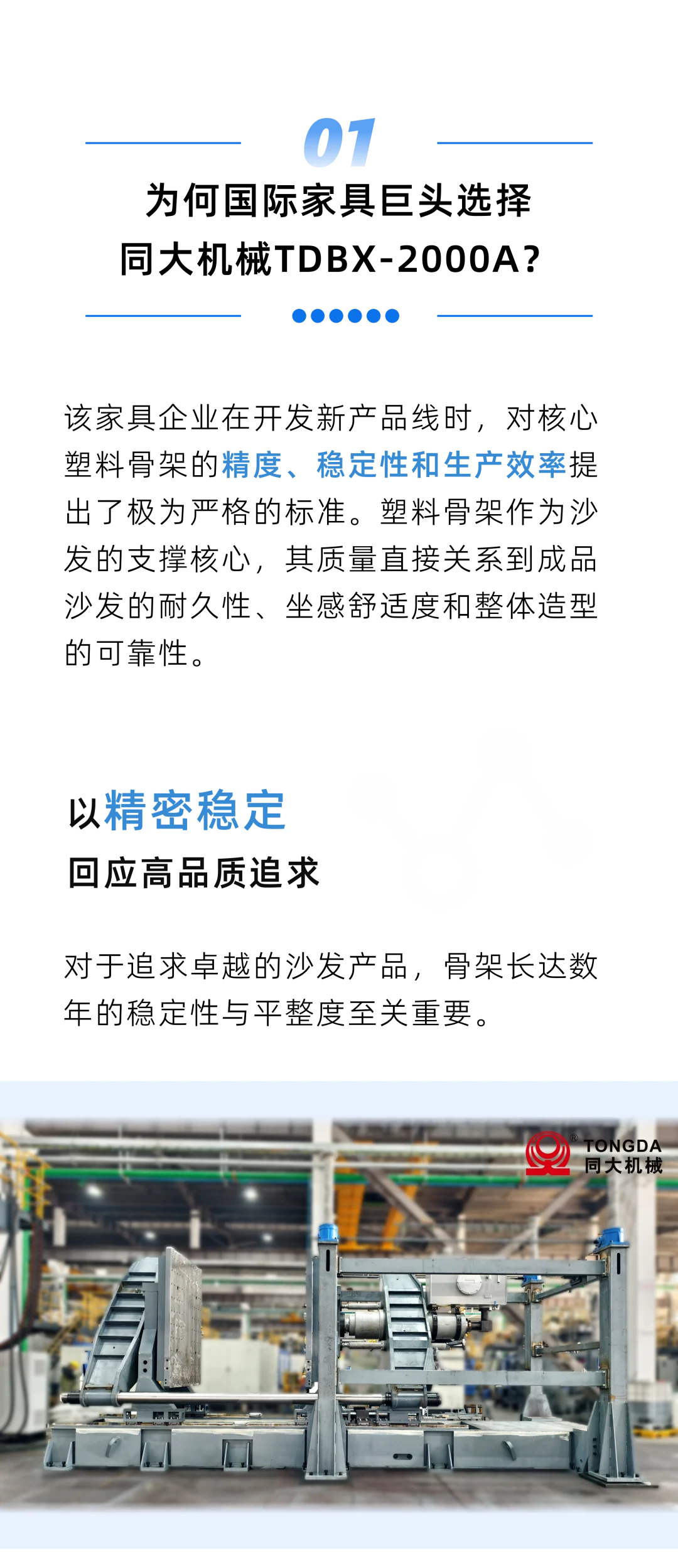
Tongda’s source describes a customized TDBX-2000A furniture-frame project. The customer is not identified by name. The useful case lessons concern large-tool access, parison control, production sequencing and early coordination between the equipment and product teams.
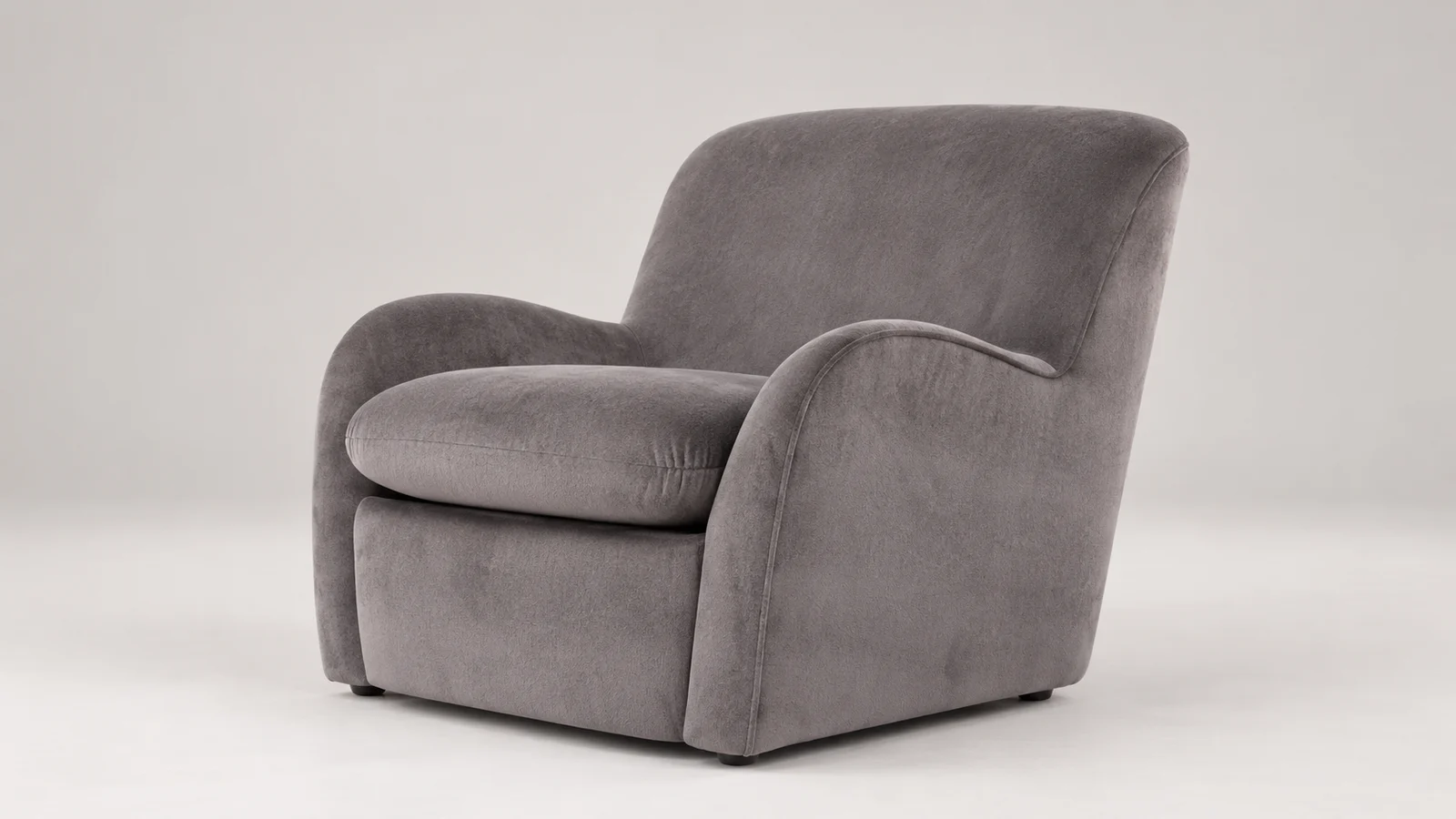
Start with the furniture assembly interfaces
Identify where the molded frame attaches to other structural parts, upholstery supports and fasteners. Provide the drawings and tolerance requirements for those interfaces. A frame that looks consistent can still create assembly problems if mounting positions or conditioned dimensions vary.
Specify the intended resin, part mass, load cases and any requirements for the complete sofa. The molding trial evaluates the component’s manufacturing performance. Durability of the assembled furniture also depends on its design, attachments and use conditions.
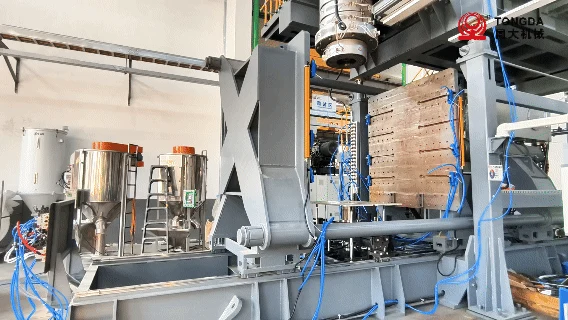
Match the tool to the machine and changeover route
Large molds require a review of mass, envelope, mounting, opening clearance, services and the handling route. Check the complete tool, including connections and fixtures, through all relevant motions. Include access for inspection and maintenance.
The source describes a three-platen, two-tie-bar arrangement and a clamping unit that can move forward to improve access. For a new project, confirm the delivered configuration and how the intended molds will be loaded, connected and removed.
Use parison control with finished-part inspection
Programmable parison control helps distribute material before and during forming. The source identifies a MOOG system in the project, but the accepted frame still needs dimensional, weight and wall-section checks.
Map the regions that matter: attachment points, corners, long spans and pinch-offs. Compare results from repeated cycles and after the agreed conditioning period. Record variation instead of promising that every frame will be identical throughout an undefined production run.
| Trial area | Record to keep |
|---|---|
| Assembly fit | Locations, tolerances and results for the actual mating parts |
| Local walls | Section map and repeated samples |
| Weight | Distribution over the agreed trial, not just the average |
| Appearance and edges | Approved surface sample and trimming criteria |
| Output | Accepted frames at the defined line boundary |
| Changeover | Complete task list and time to the next accepted product |
Measure energy and output on the same duty
The source describes servo-pump arrangements and coordinated motions. Evaluate these through energy per accepted frame under the specified material, mold and production conditions. A drive-system description alone does not establish a percentage saving against another line.
Include the relevant cooling, air and handling equipment in the cost comparison. Record running hours and reject reasons. If several frame designs share a line, account for changeovers and product mix rather than using the fastest single-product cycle for the annual plan.
Develop the process before freezing the commercial scope
Early review can identify whether changes are needed to the product, tool, trimming method or handling arrangement. Agree who supplies each item and how the parts move from molding to final assembly. Keep drawing revisions, trial samples and recipes linked so later changes can be assessed consistently.
The TD furniture-frame appraisal news describes a related development topic. It does not substitute for acceptance evidence from the particular TDBX installation being quoted.
Questions buyers ask
Can the same line make several sofa-frame designs?
Possibly, provided the molds, material demand, motions and handling fit the configuration. Identify the largest or most demanding tool and demonstrate the agreed changeover process.
What information should accompany an enquiry?
Send the frame and assembly drawings, resin specification, mass target, annual demand, product mix and acceptance requirements. Existing samples help define appearance and assembly fit.
See the large-part machine selection guide and request a sofa-frame manufacturing review.
Adapted from Tongda’s original WeChat article. Case figures are manufacturer-reported for the described application. Original photographs and English concept illustrations are identified in their captions.