Published 4 min readTechnology
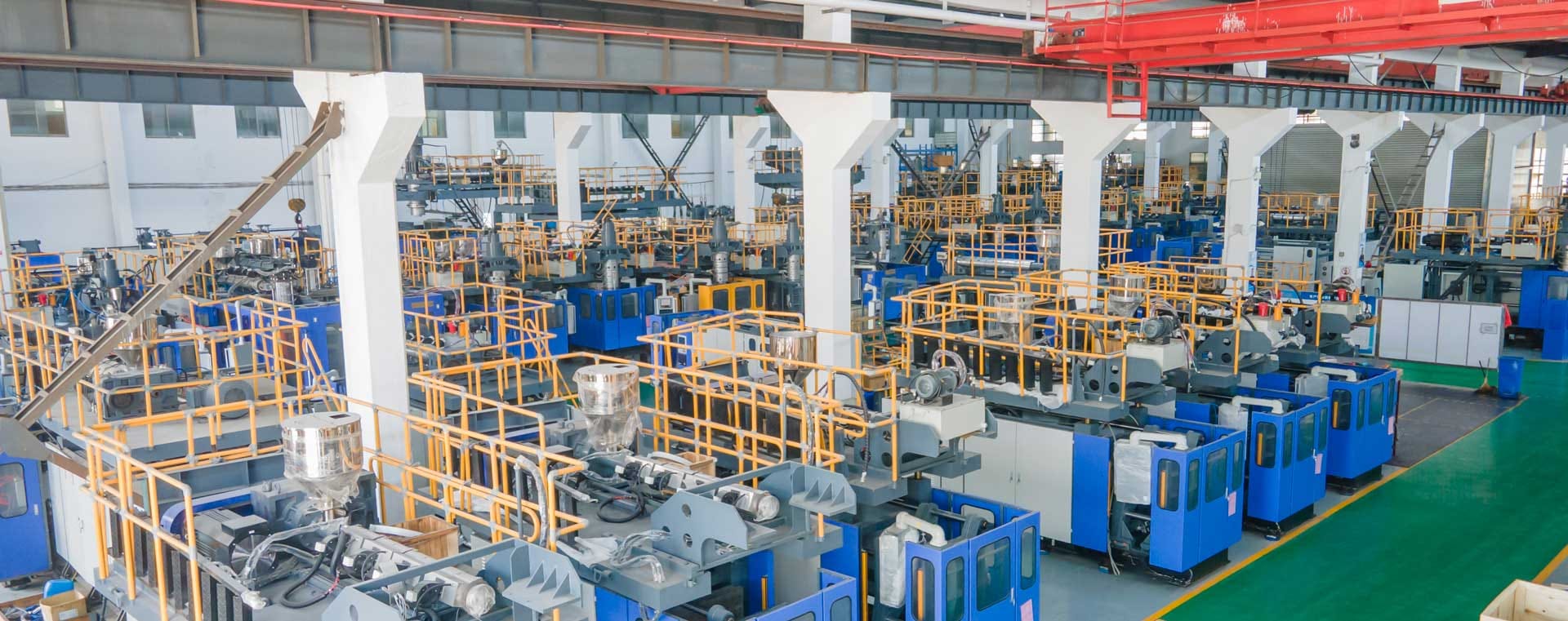
An accumulator-head blow molding machine collects a prepared melt charge and discharges it to form a parison for a large hollow part. Selecting the machine requires more than matching a nominal liter capacity: part mass, parison behavior, mold size, clamping, cooling and downstream handling determine the workable configuration.
Tongda’s TDB family includes different machines for drums, IBC inner bottles and other large parts. This guide explains how to compare those configurations and prepare a meaningful production trial. It does not treat the entire TDB family as one machine with a single capability range.
Understand what the accumulator head changes
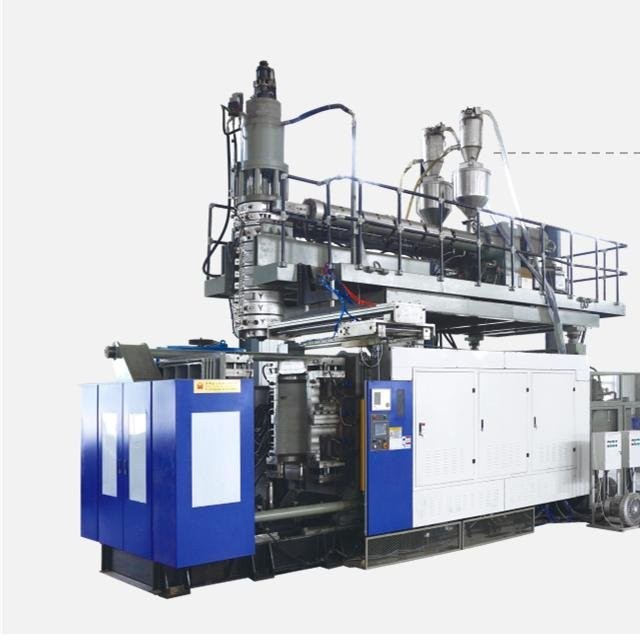
An extruder plasticizes material and supplies the accumulator. The stored melt is then discharged through the die to form the parison. The mold captures the parison, the part is blown and cooled, and the machine vents, opens and removes the part in its designed sequence.
The ability to accumulate and discharge a charge is useful for large parisons. It does not remove the need to control sag, stretching, residence time and wall distribution. Resin selection, discharge conditions and the relationship between parison programming and mold geometry remain central to the process.

Specify part mass and geometry before nominal volume
Two containers with the same nominal volume can require different melt charges and tooling. Handles, shoulders, openings, structural features and wall requirements all affect the product and process. A quoted accumulator capacity must be related to the material and the complete charge, including material that becomes flash.
| Selection item | Information to provide |
|---|---|
| Product | Drawing, nominal volume, dimensions and target net mass |
| Material | Grade, color, layer structure and permitted material reuse |
| Tooling | Mold envelope, mass, mounting, cooling and neck interfaces |
| Production | Accepted output, inspection duty and downstream scope |
State the intended contents or end use as well. A drum, a tank and a structural hollow part may need different validation even when their physical size appears similar.
Match clamping, tooling and material flow
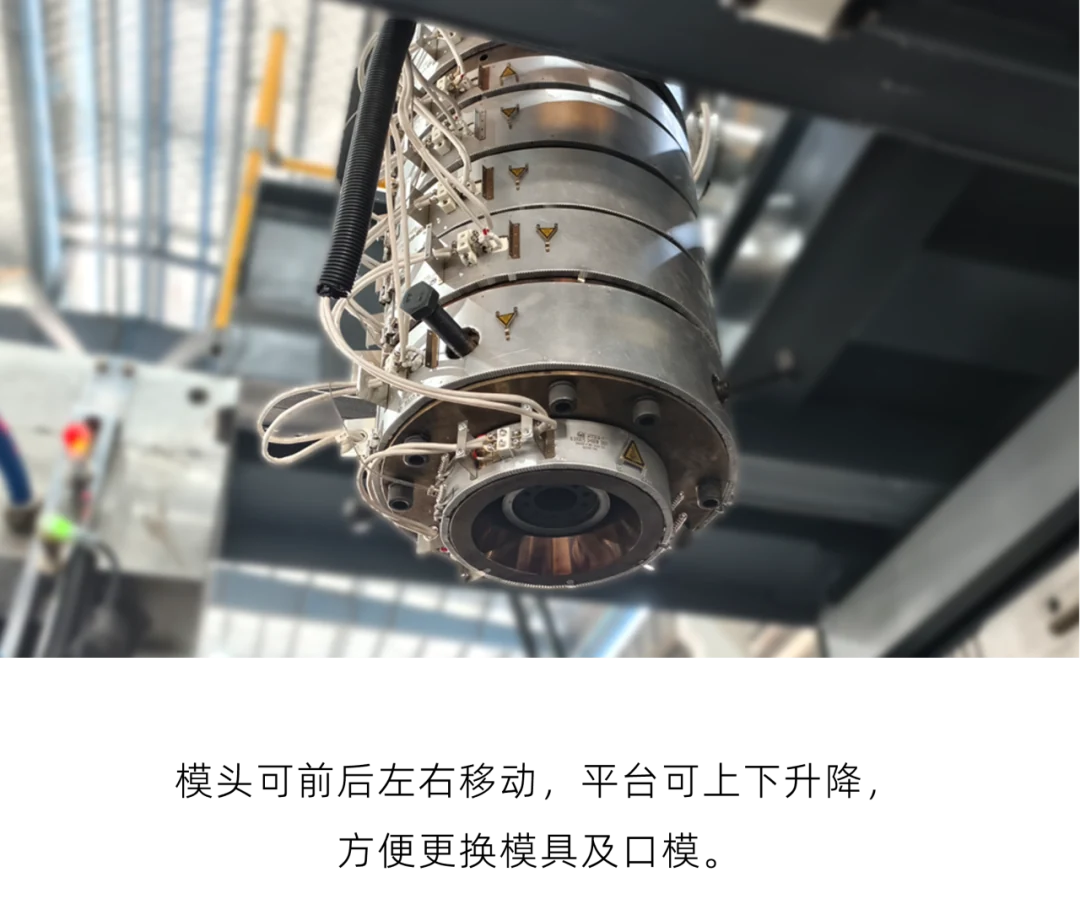
Check the proposed mold against the platen dimensions, opening and support arrangement. Review neck access, pinch-off design, take-out clearance and the services needed by the tool. Clamping force is one input; the complete mold and machine arrangement must support the intended part.
For a multilayer head, identify which extruders feed which layers and how layer proportions are controlled. A three-layer drum structure and an EVOH barrier structure have different material purposes. Avoid selecting a head from layer count alone.
Compare current model data rather than inferring specifications from a similar name. Tongda’s TDB-250F/P and TDB-1200F/P pages provide starting points for different application scales; the final configuration is defined by the agreed project specification.
Evaluate cooling and venting inside the complete cycle
The fastest motion in a demonstration is not the complete production cycle. Define the start and end of the counted cycle, the number of accepted parts released and the role of downstream equipment. Record both cycle observations and accepted output over an agreed run.
Cooling, venting, removal and handling can all affect the limiting sequence. If a feature shortens one step, verify whether that step actually controls the total cycle. Do not convert a short venting event into an equivalent percentage reduction in overall production time.
Check the utilities used during the trial: cooling-water conditions, compressed air and electrical consumption within the selected boundary. Compare energy per accepted part under the same product and operating conditions, rather than comparing installed motor power alone.
Use application-specific acceptance checks
For a large drum, inspect critical walls, handles, the base, neck and pinch-off along with the required filled-package tests. The 200 L L-ring drum guide explains that application in more detail.
For an IBC inner bottle, review the fit with its cage, pallet, closures and any specified discharge fitting. The IBC inner-bottle process guide covers the distinction between the molded bottle and the assembled package.
For other large hollow parts, establish the intended structural and environmental duty before agreeing test methods. A successful molding trial demonstrates the tested combination; it is not a substitute for qualifying a different product or use.
Questions buyers ask
Is accumulator-head molding always preferable to continuous extrusion?
No. Compare the actual part, resin, tooling, output and operating requirements. Each proposed process must demonstrate its production case; a large nominal volume alone does not settle every configuration decision.
Can one TDB machine make every product in the series?
No. The TDB name covers different models and custom configurations. Confirm the exact machine, melt requirement, tooling limits and options for the proposed part.
What is needed for an equipment recommendation?
Provide the product drawing, material, target mass, mold details, utilities and accepted-output target. Send the large-part requirements so Tongda can evaluate the accumulator, clamping, tooling and complete-line scope together.
Source material: Tongda WeChat article 24. Source photographs and video stills retain the original equipment details. English concept illustrations are identified in their captions.