Published 4 min readTechnical guide
A 200 L L-ring drum can be made with a single-layer or multilayer wall. Choose the structure around the intended contents, handling conditions, resin specification and package tests. More layers provide additional ways to distribute materials; they do not automatically make a drum stronger or qualify it for hazardous-goods transport.
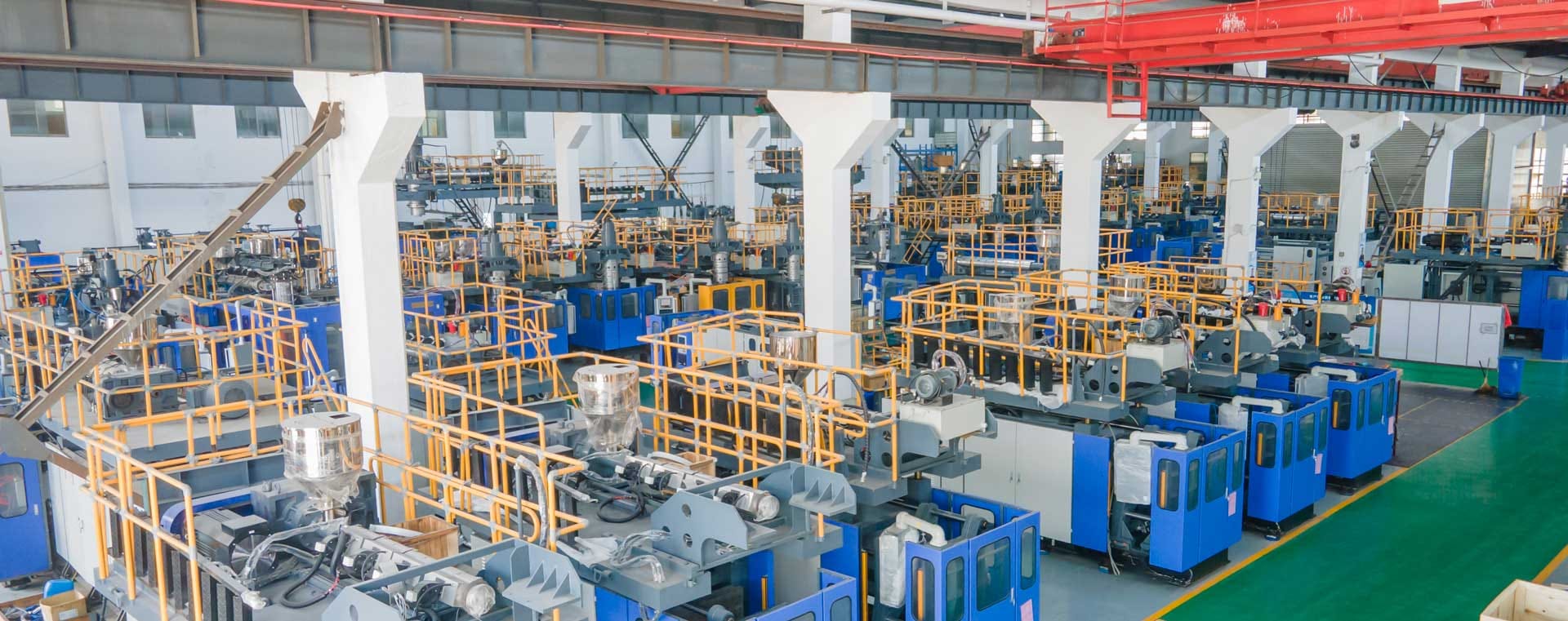
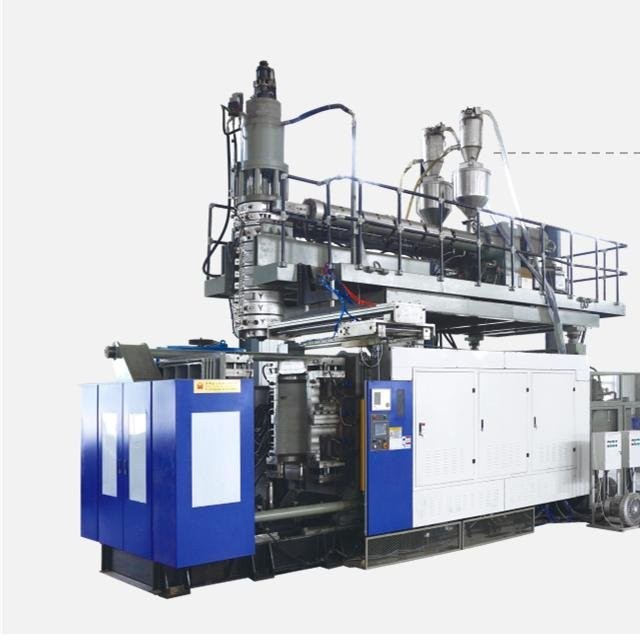
This guide explains the choices using Tongda’s TDB-250F family, including the single-layer TDB-250F, two-layer TDB-250F-2P and three-layer TDB-250F-3P configurations described in Tongda project material.
Single layer or multilayer: what changes?
| Structure | Material role | Verify |
|---|---|---|
| Single layer | One resin mix throughout the wall | Resin choice, wall quality and drum tests |
| Two layers | Different inner and outer functions | Material fit, even layers and contact surface |
| Three layers | Separate inner, middle and outer functions | Allowed recipes, even layers and drum tests |
Reprocessed material may be considered in an appropriate layer when the application and agreed specification permit it. Its proportion and location must follow the actual material and package requirements. A recycled-content target is not a substitute for testing chemical compatibility, impact resistance or environmental stress-crack resistance.
For available equipment and container applications, compare the chemical drum blow molding machines and TDB-250F/P machine overview.
Start with the drum’s critical zones
An integral L-ring creates a handling feature and a demanding forming area. The drum opening, ring, corners and bottom pinch-off need enough material and effective cooling. A satisfactory overall drum weight can still conceal an excessively thin local section.
Specify the drum drawing, neck and closure, target weight, resin grade and intended contents before selecting the machine and mold. Build a wall-thickness inspection plan around the critical locations rather than relying on average weight alone.

How the TDB-250F configurations support the process
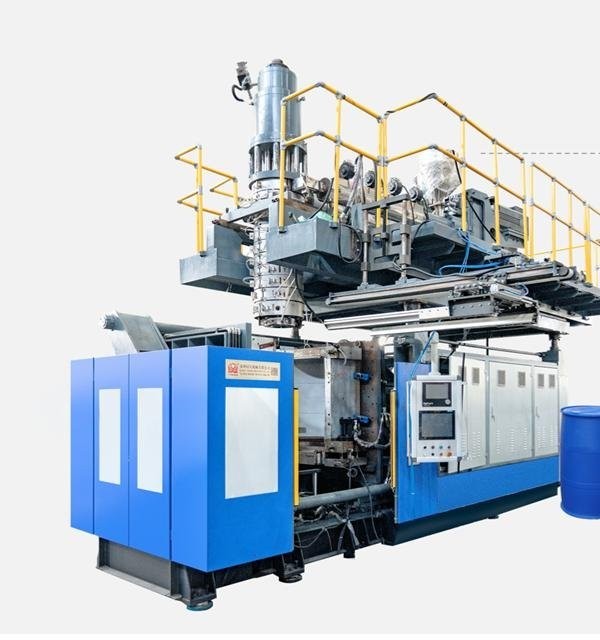
The reported two-layer arrangement uses two 90 mm extrusion systems with a 32:1 length-to-diameter ratio and a flow-guide accumulator head. The three-layer arrangement uses a corresponding three-layer head. These are configuration details from Tongda’s equipment account; the final quotation should identify the exact extruders, head and tooling supplied.
The accumulator head stores melt and discharges the parison for a large hollow part. Layer distribution depends on the head design, material behavior and process settings. It should be assessed on sectioned samples from the actual drum.
The reported machine arrangement also combines center clamping, servo-controlled hydraulic motion, a rotary bottom-blow unit and part handling. These functions coordinate forming, removal and access for tooling changes. Their contribution to output must be assessed as part of the complete cycle, including cooling and downstream checks.
Parison control and finished-wall inspection
A programmable parison controller changes the die-gap profile during extrusion to influence where material is placed. On an L-ring drum, the objective is to supply material to demanding regions without adding unnecessary weight everywhere else.
This is a process-control function. It does not, by itself, directly measure every finished wall. Check drum weight, section thickness, pinch-off quality and leakage with the agreed sampling method. MOOG’s blow molding guidance describes parison-control technology and its role in the machine.
What to include in a production trial
- Material and structure: identify the resin grades, layer recipe, color and any permitted reprocessed material.
- Product quality: check dimensions, weight distribution, neck and ring formation, pinch-off and leakage.
- Handling performance: agree the applicable drop, stacking and other tests for the intended package and use.
- Accepted output: record good drums over an agreed continuous run, including stops and rejects.
- Utilities and cost: meter electricity within a defined equipment boundary and record cooling-water and compressed-air conditions.
Where dangerous-goods transport is intended, assess the completed drum and closure against the applicable package requirements. Buying a particular machine or adding layers does not provide that qualification automatically.
Questions drum producers ask
Is a three-layer drum always better than a single-layer drum?
No. It offers more material-distribution options, but the right choice depends on the contents, specification, material availability and production economics. Compare accepted drums that meet the same requirements.
Can a multilayer drum use reprocessed resin?
Potentially, where permitted by the application and specification. Establish which layer may contain it, control its quality and validate the finished package. Do not assume every drum or transport application allows the same recipe.
How should the required hourly output be specified?
Specify accepted drums per hour at the agreed weight, resin, mold and utility conditions, measured over a defined run. A short machine-motion or venting time is not the complete production cycle.
Discuss your 200 L drum project
Send the drum drawing, intended contents, resin and layer requirements, target weight and required accepted output. Request a drum-production proposal to review the machine, mold and downstream equipment together. For tooling considerations, read the blow mold design and manufacturing guide.