Published 4 min readProject news
Tongda’s HSII-12L cooking-wine container project shows why a food-container line should be evaluated through the finished package and its accepted output. The reported cycle, weight variation and automation features are useful starting points, but each needs a defined measurement basis before it becomes a purchase requirement.
This case guide separates the figures described in Tongda’s project material from the checks needed for a new food-packaging application. It also explains why material handling and scrap collection cannot independently establish food-contact suitability.
What the reported case figures establish
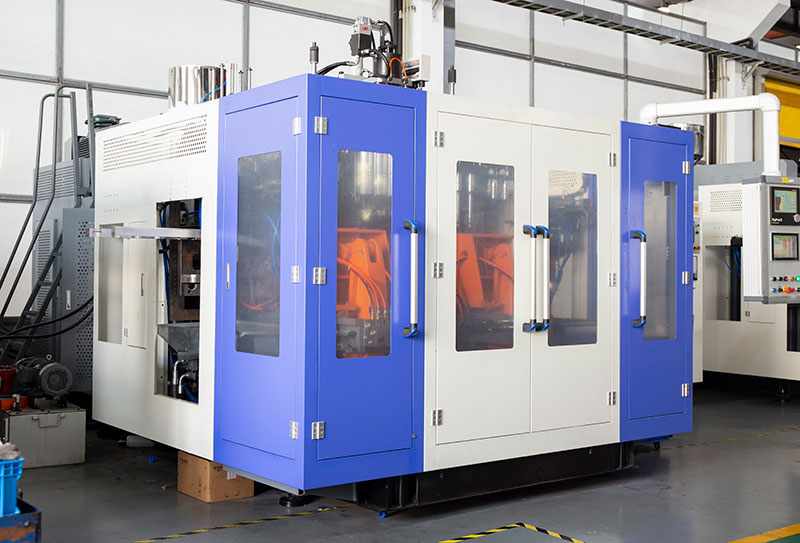
The project description concerns plastic containers for cooking wine, a seasoning product. It reports a 13.5-second cycle, hourly output of approximately 1,599 containers and weight variation within ±3 g. The original description does not provide a complete cavity, station and counting basis for independently reconciling those production figures.
| Reported item | How to use it |
|---|---|
| 13.5-second cycle | Confirm the event being timed and the machine sequence |
| About 1,599 containers/hour | Request the counted output, run duration and reject records |
| Weight variation of ±3 g | Define the reference weight, sample and calculation |
| Integrated line functions | Confirm which units are included in the offered project |
These are reported application figures, not a rated output or tolerance for every HSII-12L installation. Do not infer a cavity count solely by combining the cycle and hourly values. For a new container, agree a fresh trial with its own mold, resin, weight and inspection limits.

Match the machine to the actual food container
Review the container’s drawing, closure, neck, base, handle and intended filling conditions. Nominal capacity alone does not define the forming requirement. Determine which dimensions and walls are critical to sealing, handling and the intended filled-container duty.
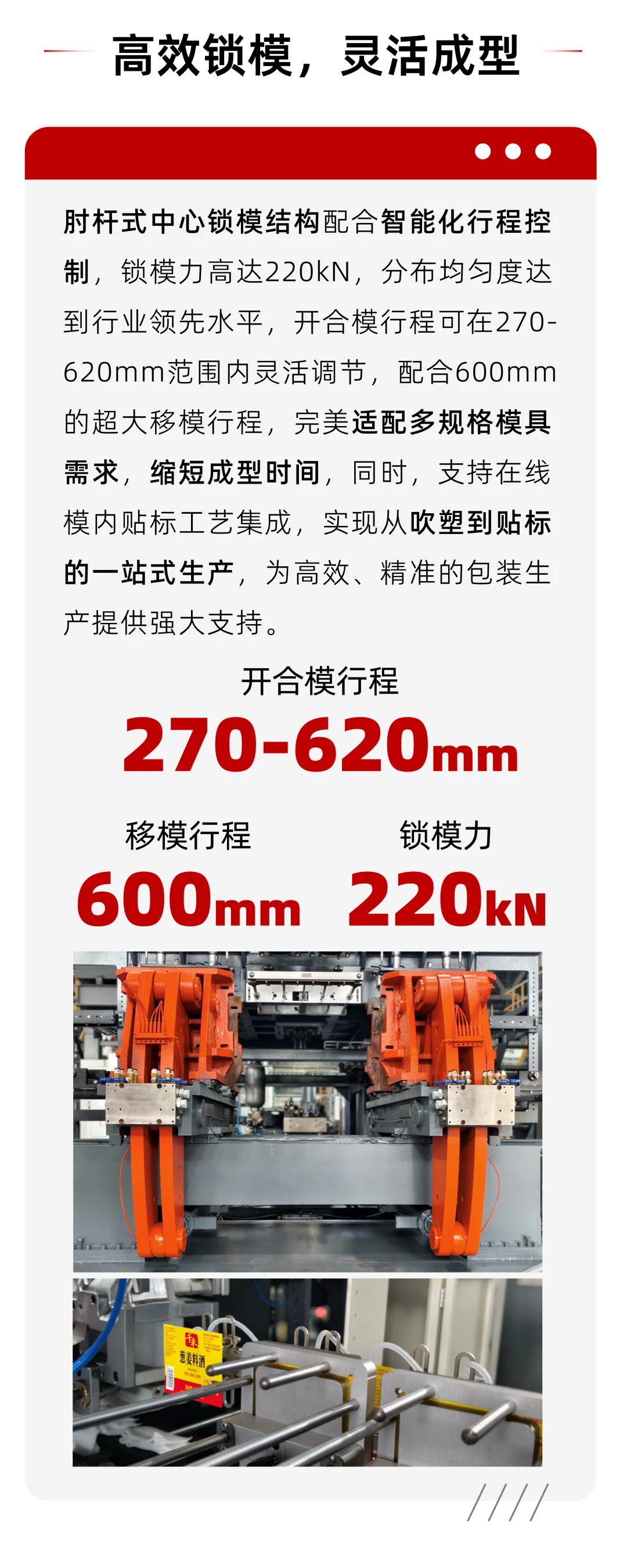
The project material describes center clamping, adjustable opening and mold transfer. Check the proposed tool against the current model specification rather than relying on a historical case’s motion values. Include support, connections, take-out and trimming clearance in the review.
The HS II-12L product page identifies the current model family. The actual quotation and tooling review determine the configuration to be demonstrated.
Verify weight and walls separately
A small spread in sample weights does not establish uniform walls or a lower mean resin weight. Inspect local sections around highly stretched features and the pinch-off, and check the neck and sealing surfaces against the product drawing.
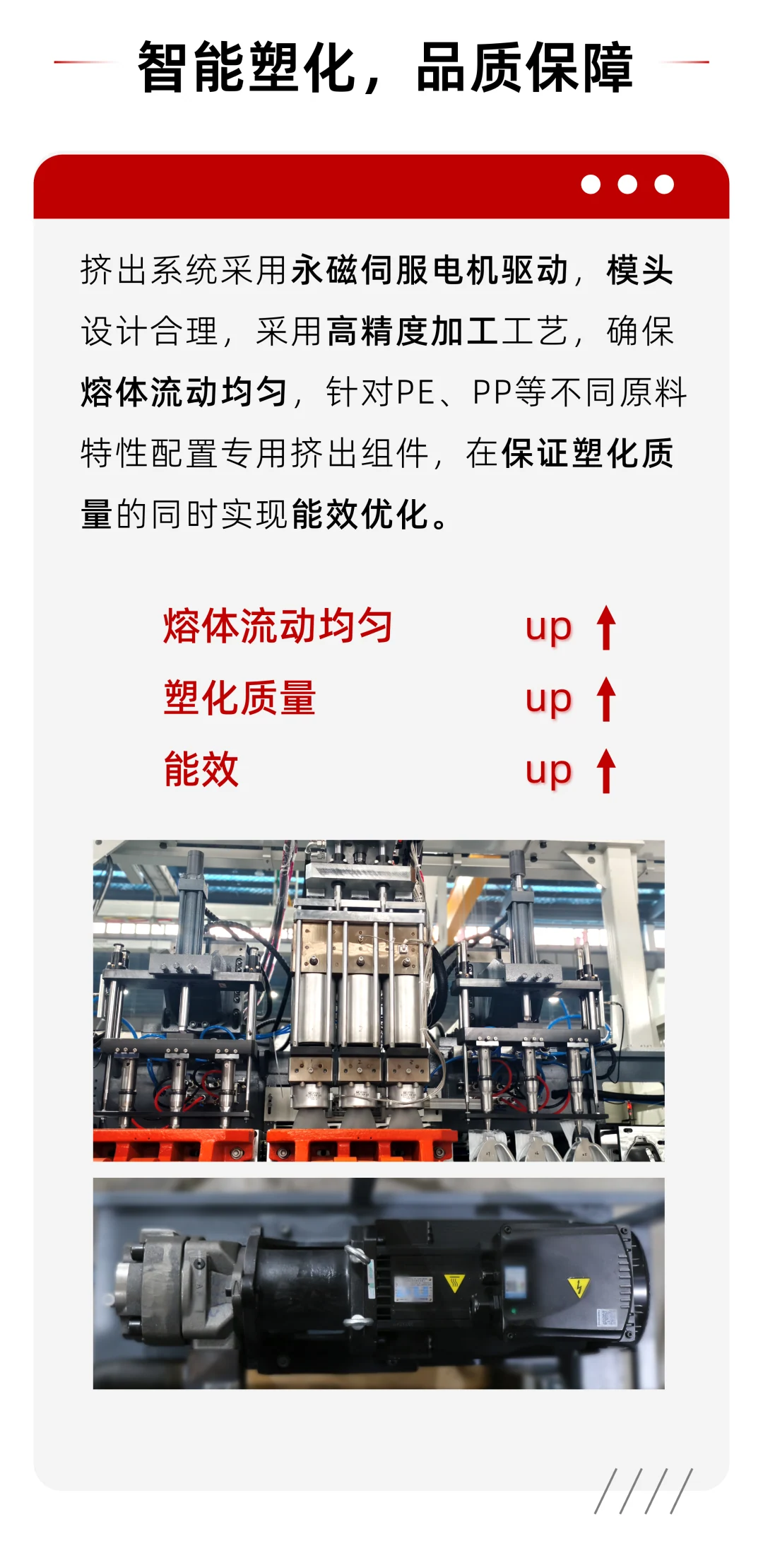
Parison programming helps shape material distribution before blowing. Moog’s blow molding description identifies parison and machine-motion controls; finished-part inspection remains necessary to establish the result on a particular container.
Tie the approved measurements to the resin, mold and recipe used during the trial. Where several products share a machine, repeat the checks after a controlled product changeover rather than assuming that stored settings always reproduce the same part without verification.
Define labeling and inspection as part of the line
The HSII-12L project discussion includes in-mold labeling integration and downstream handling. For a new installation, specify the label, positioning requirements, mold interfaces and supplied equipment. Demonstrate the labeled container rather than reviewing the molding and labeling units only in isolation.
Coordinate trimming, conveying, weighing and any specified leak inspection with the desired accepted output. Define reject identification and removal, and test how the line responds when a downstream station is unavailable. The complete line can only deliver the output that its limiting operation supports.
Treat material reuse and food contact as separate decisions
Collecting flash can improve housekeeping and make material accounting easier. Whether recovered material may be reused in the intended package depends on the actual material, process and application requirements. A clean collection system does not, by itself, establish food-contact suitability.
Record material identity, lot information, permitted recipe and handling arrangements. Discuss the product’s contact and filling requirements with the relevant material and packaging specialists. Do not describe the machine’s drive type or a virgin surface layer as an automatic qualification of the finished container.
Questions buyers ask
Can this case prove an output target for my food container?
It provides a project reference. Your target needs a run with the intended product and a defined cavity, station, inspection and time basis. Use accepted containers per hour as the final production measure.
Does ±3 g mean that the project saved 3 g of resin per container?
No. A variation statement concerns the spread around a defined reference. Resin reduction requires a lower measured mean weight while the finished package continues to meet its requirements.
What should I provide for a similar line?
Send drawings, resin and contact requirements, filling conditions, labels and accepted-output targets. Review Tongda’s servo blow molding range and request a food-container configuration review, including the evidence to be recorded during acceptance.
Source material: Tongda WeChat article 08. Source photographs and video stills retain the original equipment details. English concept illustrations are identified in their captions.