 Eileen Yu, Vice General Manager
Evaluate a blow molding machine supplier using the same product specification, trial conditions and delivery scope. A factory photograph, component-brand list or low purchase price can support an initial discussion, but none replaces evidence that the proposed line can make your accepted product at the required rate.
Tongda’s supplier-selection source material is most useful as a starting point for a structured factory review. The following questions turn broad capability claims into items that can be checked before an order and during acceptance.
Start with a common application brief
Send each supplier the product drawing, resin grade, target weight, neck or attachment requirements, mold information and intended annual demand. Include the tests the finished product must pass. If the design is still changing, identify the assumptions that remain open.
Ask the supplier to explain why the proposed extrusion blow molding process suits the product. Continuous extrusion, an accumulator head and multilayer configurations address different requirements. A nominal volume range should be supported by tool fit, material throughput and process reasoning.
Ask for evidence from the offered configuration
Request the current configuration sheet and a trial plan using the intended material and tooling. Where reference projects are offered, confirm what the supplier is authorized to disclose and how closely the example matches your application.
| Purchasing question | Evidence to request |
|---|---|
| Will the tool fit? | Mold envelope, mass, mounting, opening and service drawings |
| Can the line meet demand? | Defined cycle, cavities, accepted output and trial duration |
| Will quality repeat? | Local walls, dimensions, weight distribution and reject records |
| What utilities are required? | Connected loads and consumption measured at an agreed boundary |
| What is included? | Itemized tooling, auxiliaries, inspection and commissioning scope |
| How will the line be supported? | Training, spares, service responsibilities and response arrangements |
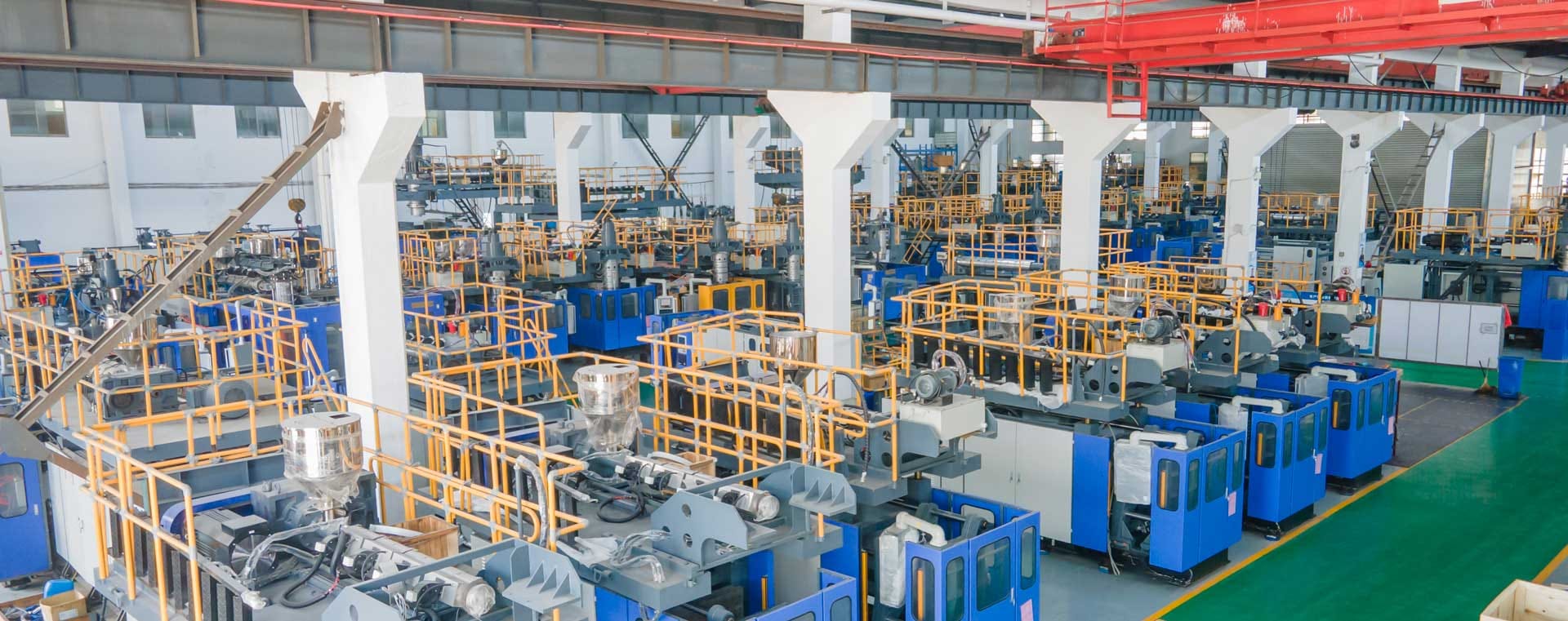
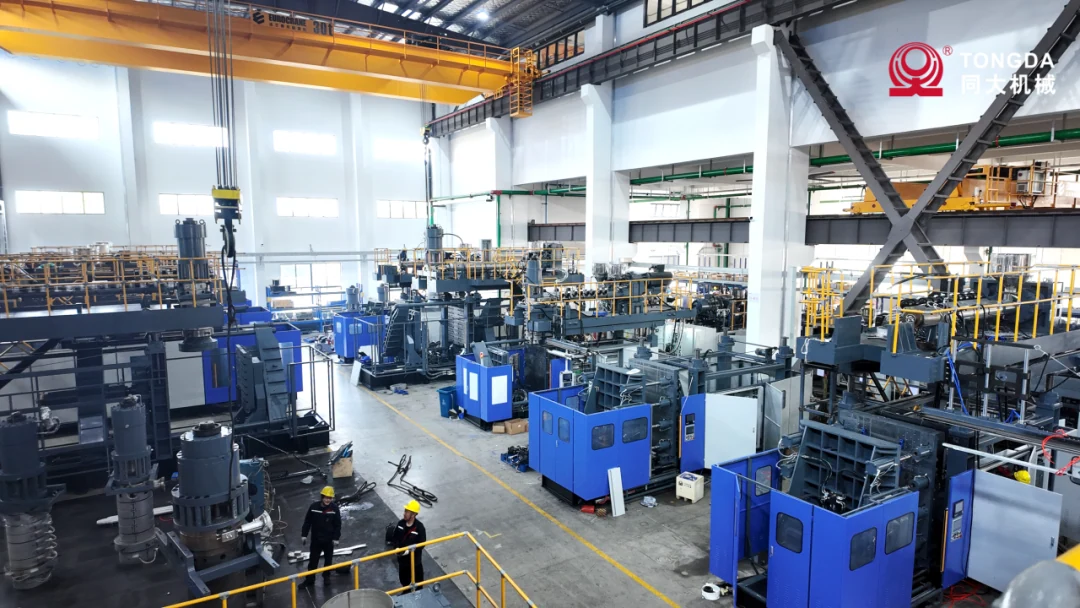
During a factory visit, ask to see the relevant machining, assembly, inspection and test areas. Follow one proposed machine configuration through the discussion instead of combining the best specifications from unrelated models.
Compare controls and drive systems by function
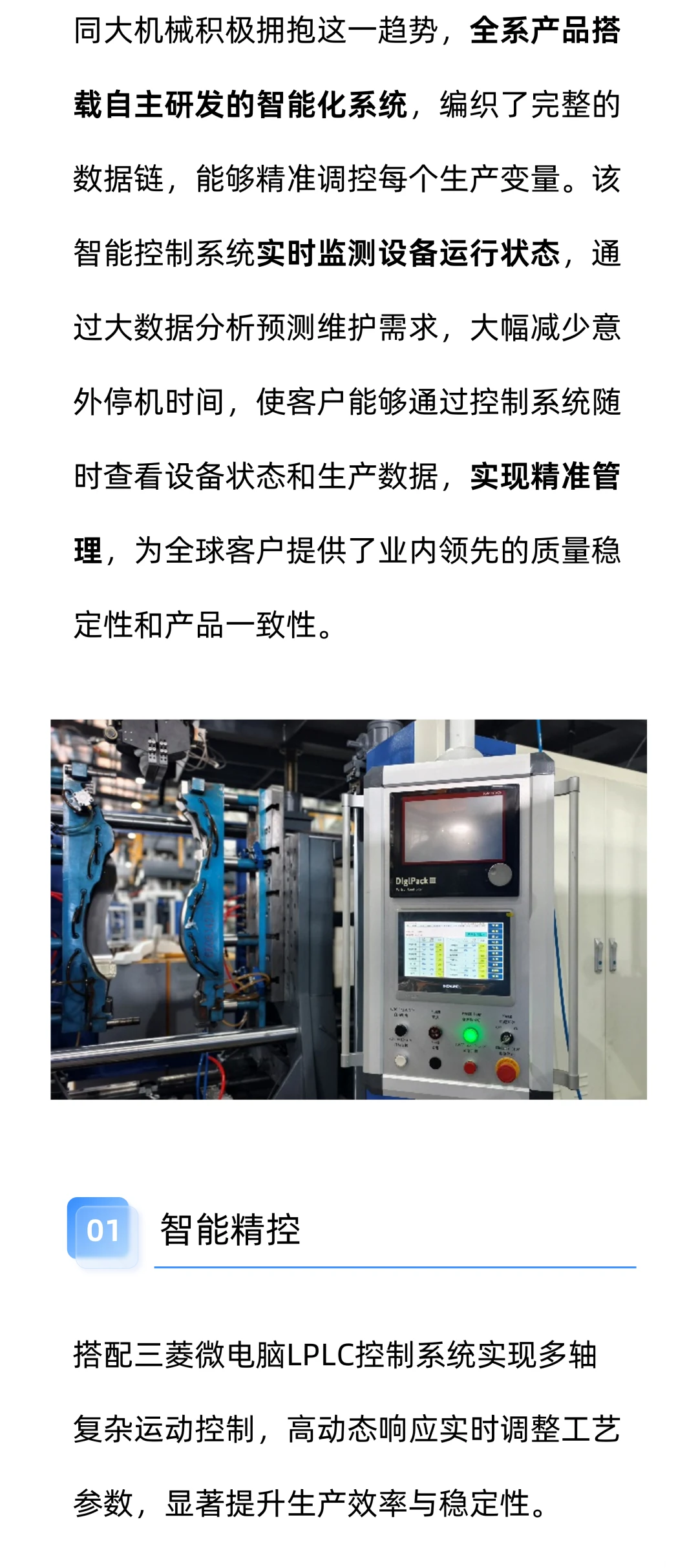
A familiar PLC or controller brand does not establish that every optional interface, recipe feature or remote service function is included. Ask for a demonstration of the functions in the quotation, including language options, alarms, data export and any proposed production-system integration.
Hydraulic, servo-assisted and all-electric configurations should be compared under the intended production duty. Measure energy per accepted part and include maintainability, changeover, tooling access and the availability of service skills in the comparison. Use the all-electric acceptance checklist when that drive option is under consideration.
Agree acceptance before comparing prices
Define the product, material, tooling, trial duration and measurement methods in writing. State who supplies the resin and utilities, how rejects are classified and which downstream operations are included. Agree how outstanding items will be documented and resolved.
Distinguish factory acceptance from installation and commissioning at the buyer’s site. Site services, material handling and local operators may differ from the factory trial. Specify the responsibilities and records needed at both stages.
Compare the complete ownership cost
Include tooling, freight, site preparation, utilities, training, spares, planned maintenance and the cost of interruptions. A low initial price may reflect a narrower scope rather than a more economical line.
For material and energy estimates, require a consistent denominator: accepted parts made to the same specification. Use the payback calculation guide to structure assumptions; do not treat a supplier’s best-case payback example as your own forecast.
Questions buyers ask
Is a certificate or award enough to select a supplier?
No. Identify the issuing organization, document scope, machine or project covered and current relevance. Technical acceptance still needs evidence from the offered configuration and intended product.
How should I begin a Tongda equipment review?
Share the application brief and existing samples or tooling drawings. Review Tongda’s manufacturing background and send the project requirements so the quotation can be compared on a defined scope.
Adapted from Tongda’s original WeChat article. Case figures are manufacturer-reported for the described application. Original photographs and English concept illustrations are identified in their captions.